Make a candle
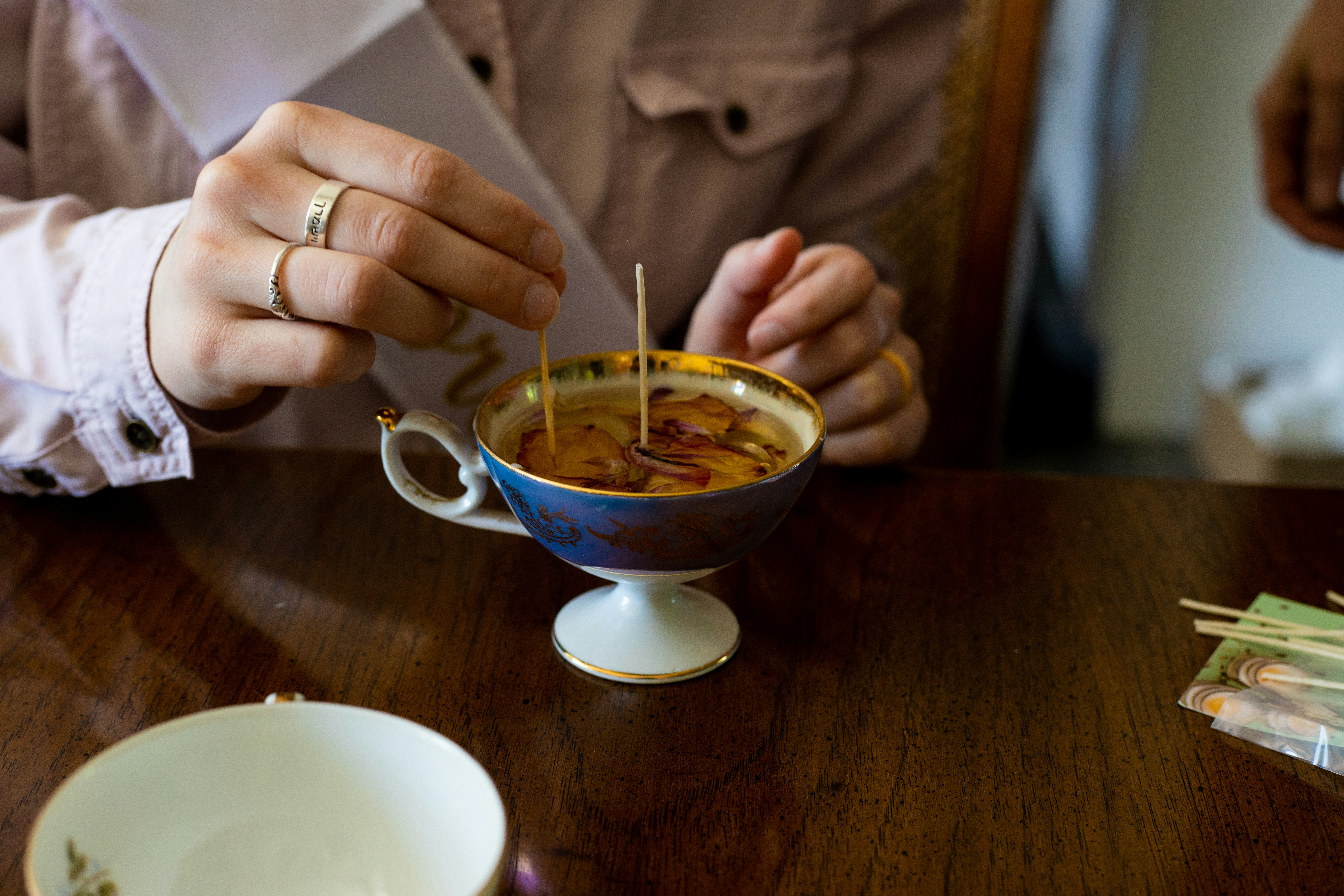
Making a candle brings together scent, colour, material and a small amount of engineering. Wax type, wick size, container and fragrance must work as a system if the flame is to burn cleanly and evenly. Watching a measured liquid pour settle into something useful is satisfying, especially when the first test burn produces a steady pool of light rather than smoke or tunnelling. Begin with a reputable workshop or tested kit whose wick and vessel are matched to the supplied wax. Read every instruction and safety data sheet before heating. Use indirect controlled heat and a thermometer, protect the worktop, wear closed shoes and heat-resistant gloves, and keep children, pets, water and naked flames away from molten wax. Never improvise with a container that may crack under heat. Measure fragrance only at the maker’s recommended load, centre the wick and pour at the specified temperature. Avoid dried flowers, crystals or other decorations near the future flame unless the tested design explicitly supports them. Let the candle cure fully, trim the wick as directed and conduct the first burn on a stable heat-resistant surface while watching flame height, smoke and container temperature. London Fire Brigade advises never leaving a burning candle unattended and keeping it away from flammable material. If you intend to sell or give candles commercially, investigate applicable UK product-safety, chemical classification and labelling duties rather than assuming “handmade” is exempt. Completion is producing and test-burning one sound candle safely—not maximising fragrance, walking away from the flame or distributing an unassessed recipe to other households.