Make beer
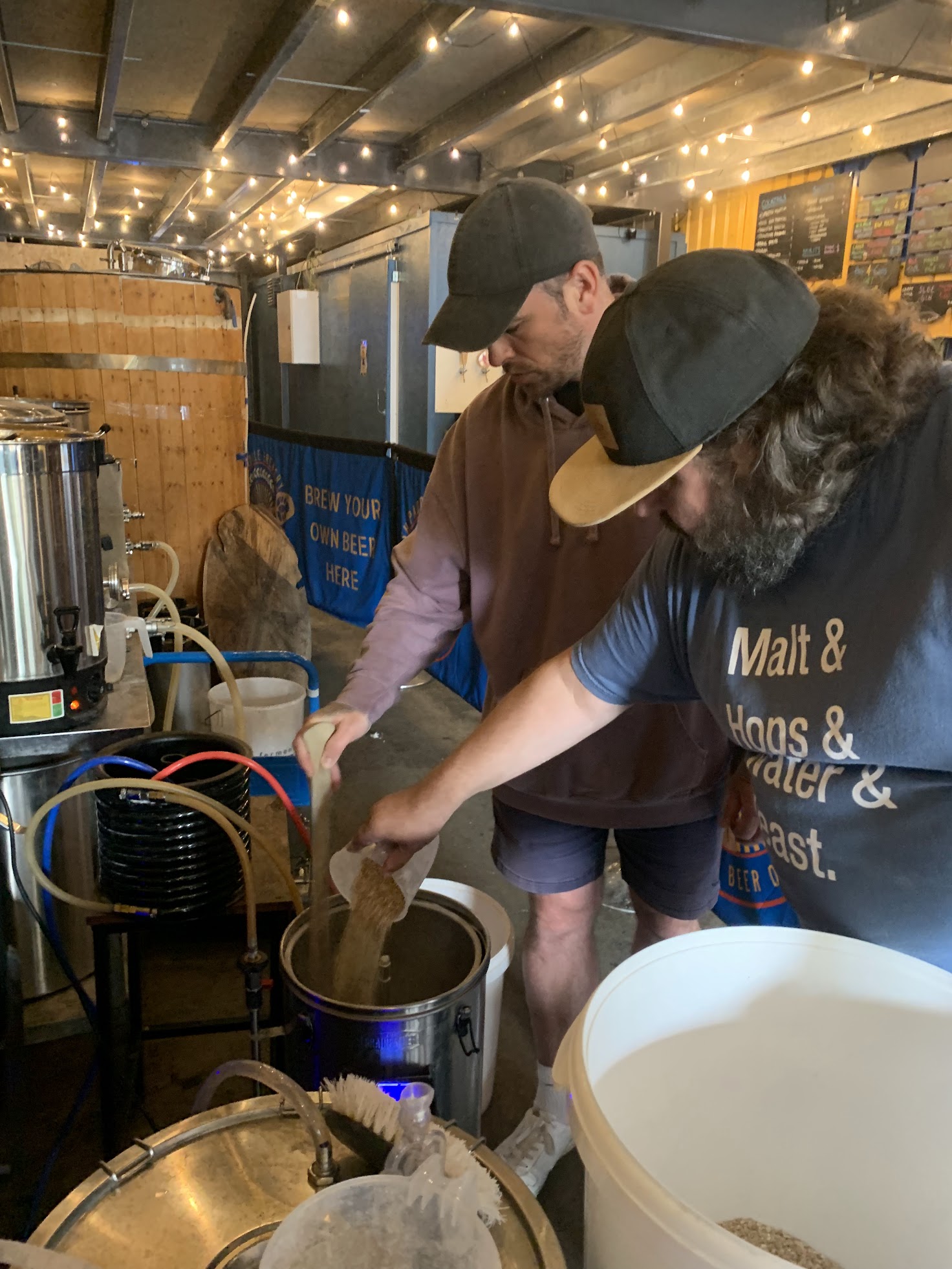
Brewing beer turns water, malt, hops and yeast into a drink whose flavour records dozens of small decisions. A beginner kit removes some complexity, but fermentation still rewards careful measurement, cleanliness and patience. Opening the first properly conditioned bottle is satisfying because the finished beer began as a sweet liquid and became something balanced through living yeast. Start with a reputable home-brew kit or supervised course and read the whole method before sanitising anything. Use food-grade vessels and chemicals, measure temperature and gravity with suitable equipment, and keep a dated record of ingredients and readings. Clean visible dirt first, then sanitise every item that touches cooled wort; fermentation cannot rescue careless hygiene. Handle hot liquid on a stable surface, keep children and pets away, and lift full vessels with help. Ferment within the yeast maker’s temperature range and never seal active fermentation in a rigid container without a suitable airlock. Add only the measured priming sugar specified for sound pressure-rated bottles, inspect bottles for damage and condition them somewhere contained and out of direct heat. In the UK, beer made only for your own domestic use is exempt from producer approval, but selling or commercially supplying it brings alcohol-duty, licensing, food-business and labelling obligations. Serve it only to adults who choose to drink and provide alcohol-free alternatives. Completion is producing one hygienic, stable batch and tasting it responsibly—not distilling, guessing bottle sugar or treating vigorous fermentation and excess drinking as signs of success.