Make Cheese
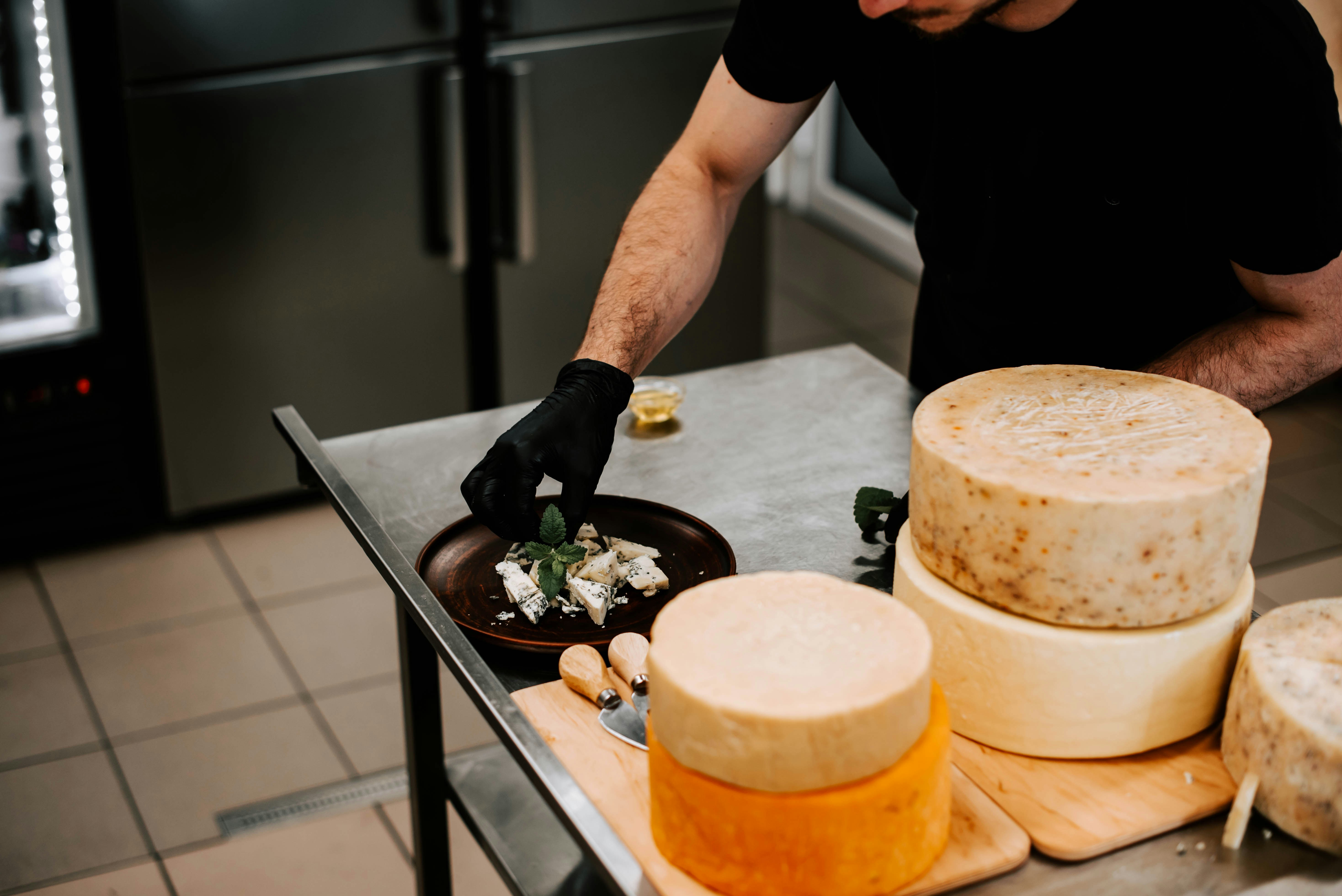
Cheesemaking concentrates milk into curds whose final texture depends on acid, culture, temperature, drainage and time. A fresh cheese gives a beginner the full transformation without the risks and specialised control required for long ageing. Seeing clean curds separate from translucent whey makes the process feel both culinary and experimental. Begin with a reputable class or tested fresh-cheese recipe using pasteurised milk and ingredients intended for cheesemaking. Read the method and chilling requirements before starting, sanitise equipment and use an accurate thermometer. Keep milk refrigerated until needed, avoid cross-contamination and do not improvise with raw milk, wild mould or an ageing environment that the recipe has not validated. Heat and acidify or culture the milk exactly as directed, then cut, drain and salt the curd with clean tools and cloth. Do not assume extra acidity or salt compensates for poor temperature control. Cool the finished cheese promptly in a clean covered container, label it with the date and follow the recipe’s short refrigerated shelf life; discard it if storage failed or spoilage is suspected. Pregnant people, older adults and those with weakened immunity face greater risk from listeria and should follow current NHS and Food Standards Agency advice about unpasteurised and certain soft cheeses. If supplying cheese to others, food-business rules apply. Completion is making and safely eating one fresh pasteurised-milk cheese with a recognisable texture—not attempting an uncontrolled cave-aged wheel, serving uncertain curds to a vulnerable person or treating smell alone as proof of safety.