Read 10 classic books (e.g. Pride & Prejudice; Mansfield Park; Gone with the Wind)
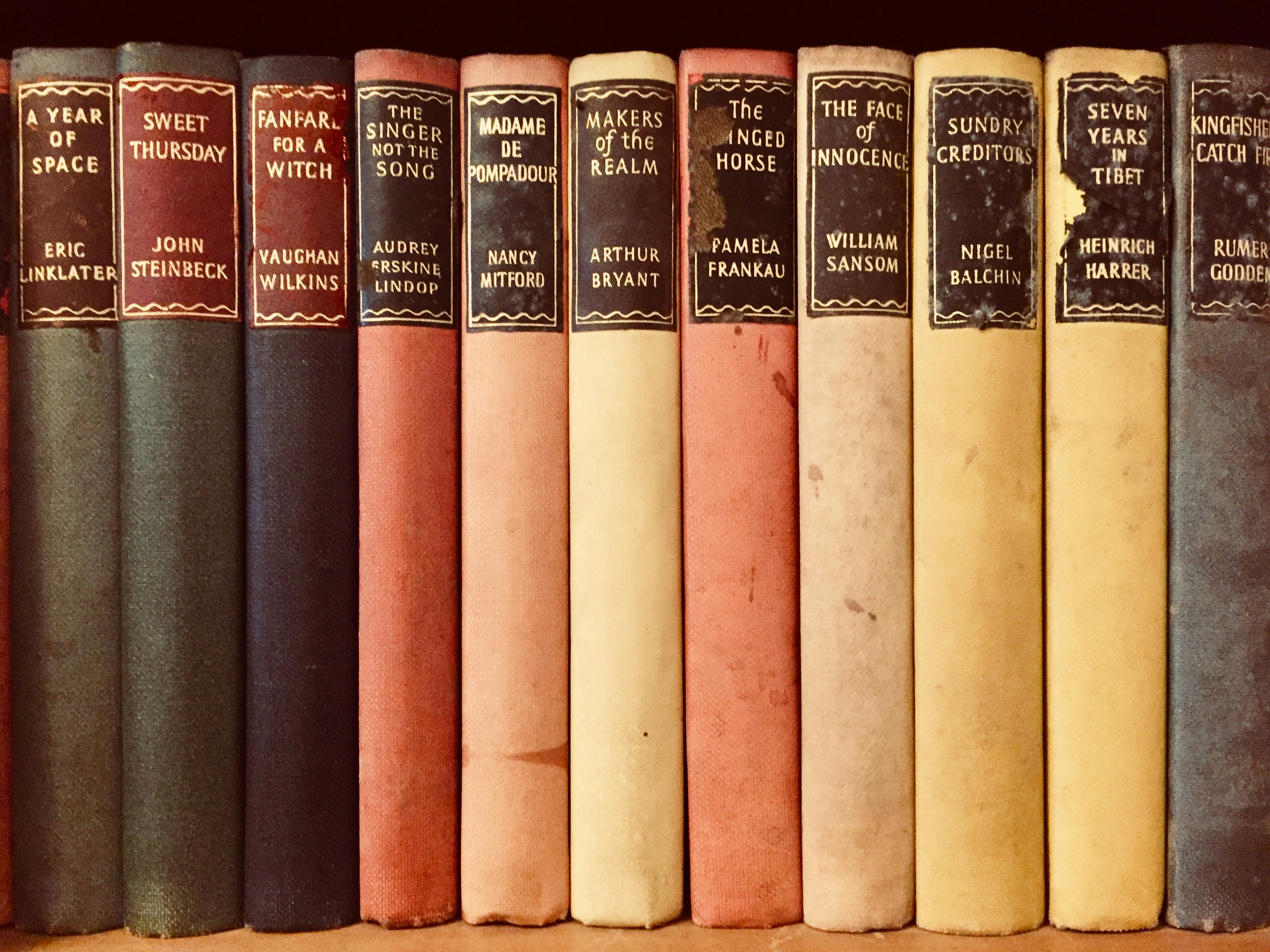
Reading ten classics is an invitation to spend sustained time with books that have shaped language, genre or public debate—not a test of whether you can endure an approved canon. Build a list broad enough to reveal different periods, countries, forms and perspectives. A famous title can be rewarding, difficult, objectionable or all three; its reputation is the beginning of attention, not the required conclusion. Define what ‘classic’ means for this challenge and choose ten books you can realistically access through libraries, second-hand shops, ebooks or audio. Balance length and complexity, include translated or historically excluded voices, and check unabridged status where that matters. A reading group, scholarly introduction or reliable historical note can supply context without dictating your response. Set a sustainable rhythm and alternate demanding works with shorter or more immediately inviting ones. Keep brief notes on language, character, form and the assumptions of the period. Content warnings can help you prepare for racism, sexual violence, war or other material; reading critically does not require excusing harm, while stopping or substituting a book can be a reasoned decision rather than failure. Finish each work before ranking it, discuss at least one with somebody else and record why it deserves—or does not deserve—continued attention. Credit translators and editions when sharing recommendations. Completion is thoughtfully finishing ten agreed classic books and reflecting on how they differ—not collecting impressive spines, copying a universal list or pretending admiration is the only legitimate response to literary influence.