Relax in a sensory deprivation tank
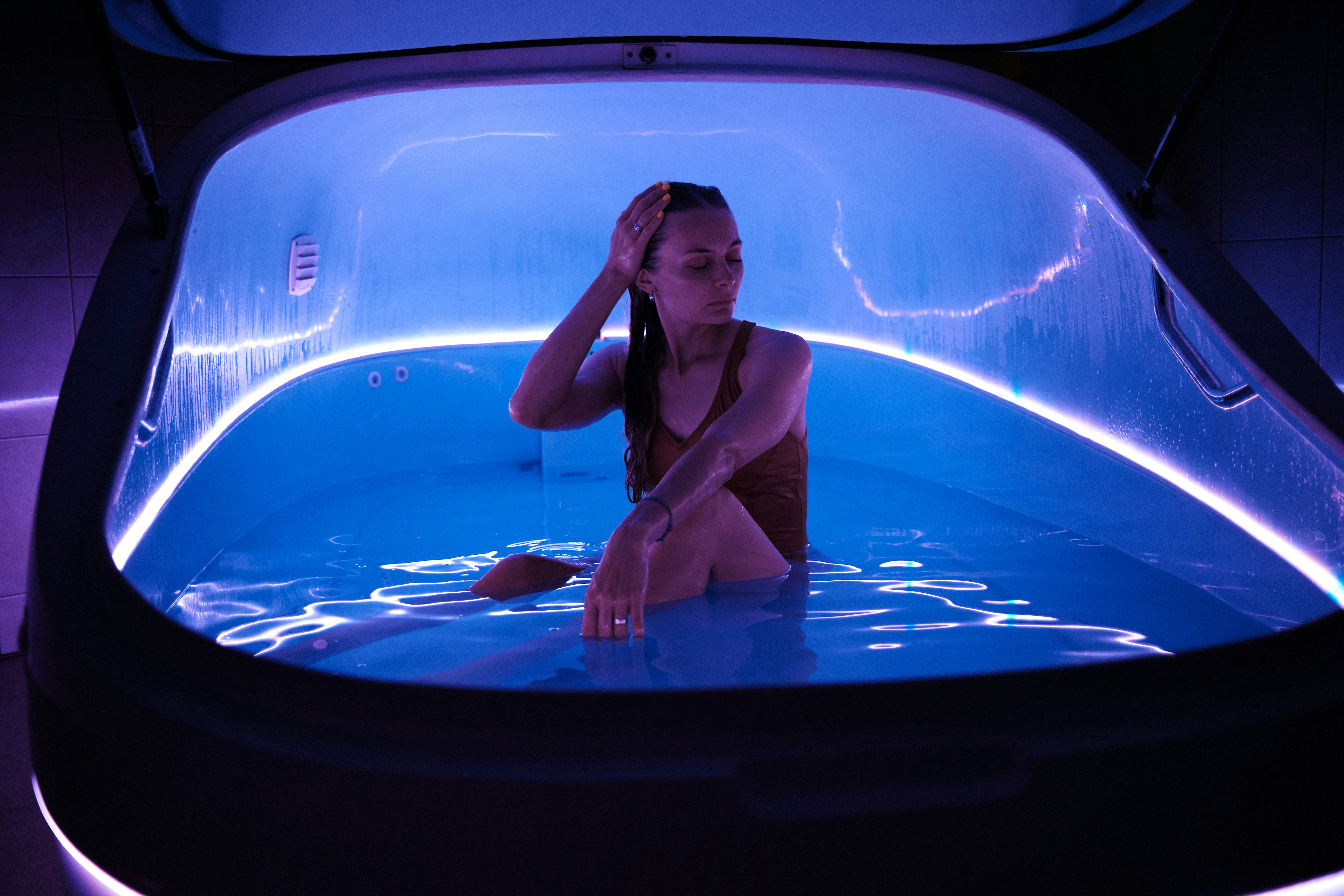
A float session uses warm, highly salted water to support the body while reducing light, sound and outside demands. The experience may feel restful, strange, meditative or simply like lying still without pressure points. It is better approached as a controlled leisure session than as a cure: individual responses vary, and dramatic claims about detoxification or treating illness should not set the expectation. Choose an established centre that explains water treatment, cleaning between users, staff supervision and the emergency light or call system. Read its current suitability guidance before booking and discuss pregnancy, epilepsy, fainting, skin conditions, mobility needs, claustrophobia or any condition affected by heat or isolation. Ask for an open float room, light, music or a shorter appointment if that makes the session accessible. Follow the operator’s advice about eating, caffeine, recent shaving, hair colour, contact lenses and open cuts. Arrive sober, shower first and use any supplied barrier ointment on small grazes. Enter slowly, keep fresh water and a towel within reach for salt in the eyes and remember that you can open the door or leave at any point; discomfort is information, not failure. Afterwards, shower thoroughly, stand up carefully and allow a few minutes before driving or returning to a demanding schedule. Notice the actual effect without forcing a breakthrough or replacing medical care with a wellness promise. Completion is taking one properly supervised float and deciding honestly whether the reduced stimulation suits you—not sealing yourself in despite panic, sleeping after alcohol or buying an expensive course because a single session was marketed as essential treatment.