Respond to a Public Consultation
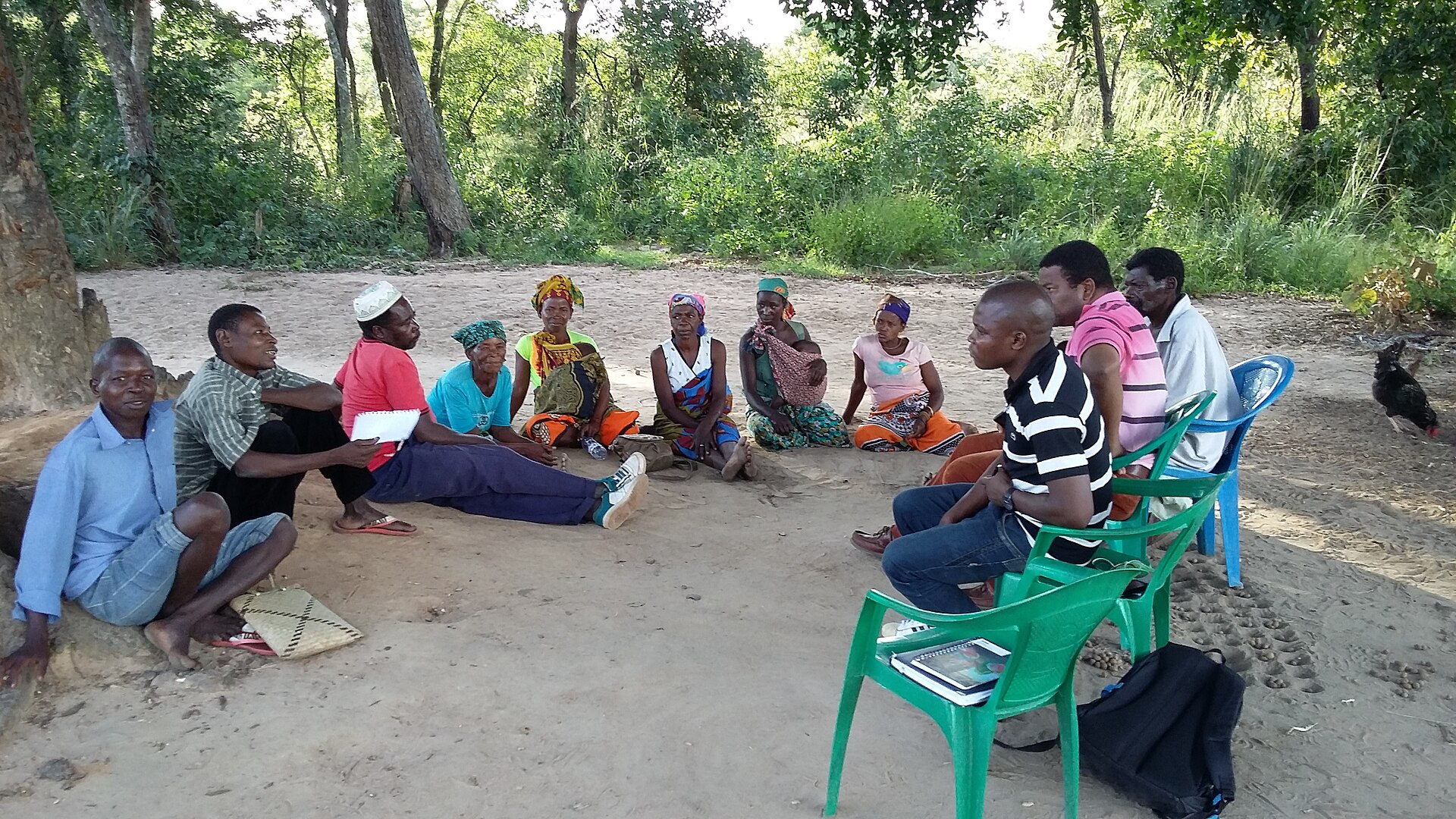
Some public decisions arrive first as questions. A consultation gives you the chance to place experience, evidence and consequences in front of the people designing a policy before the final shape is fixed. A careful response can make a local reality harder to overlook. Use the official consultation page, read the scope and supporting material, and note the deadline. Answer the questions you understand, distinguish personal experience from wider evidence and explain the practical effect of the options rather than submitting a slogan. Check how responses and personal data may be published. Share only information you have the right to disclose, remove unnecessary identifiers and do not assume a consultation is a vote or guarantees your preferred outcome. Ask for an accessible response format if the standard route is a barrier. Count it complete when you have submitted a clear response and saved the acknowledgement or closing date for follow-up. Add it if you want to contribute something more durable than a reaction: a reasoned piece of the evidence decision-makers must consider.