Ride a rollercoaster
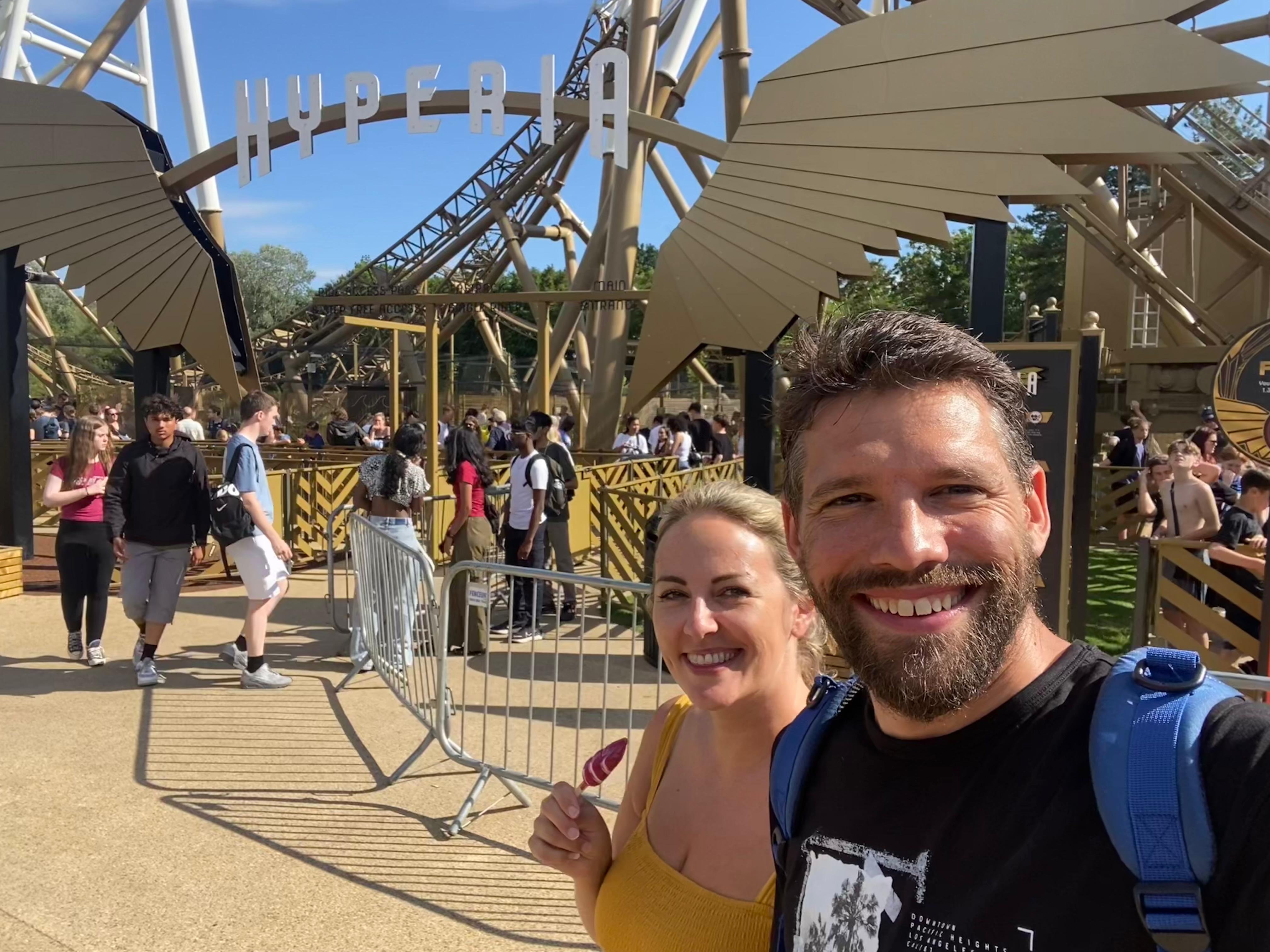
A rollercoaster compresses anticipation, acceleration, height and rapid changes of direction into a ride measured in minutes. For a first attempt, the best choice is not automatically the tallest or fastest attraction. A smaller coaster can introduce restraints, lift hills and the sensation of a drop while giving you enough confidence to decide whether a more intense ride would be enjoyable. Use a reputable theme park or fairground and read the specific ride restrictions before joining the queue. Height, body fit, pregnancy, heart, back, neck, neurological, mobility and recent-surgery guidance varies between machines. Ask accessibility staff about boarding, transfer, evacuation and sensory needs rather than assuming a visible queue or standard seat tells you whether the attraction is suitable. Stay sober, secure every loose item and follow attendants’ instructions for seating and restraints. Never defeat a safety bar, hide a relevant condition or ride because companions are applying pressure. Keep hands and feet within the permitted position, face forward unless directed otherwise and tell staff immediately if a restraint feels wrong before dispatch. Leaving the queue is always an acceptable decision. After the train stops, remain seated until released and allow dizziness or nausea to settle before choosing another attraction. Report a suspected equipment or injury issue to the operator promptly. Completion is riding one properly operated rollercoaster whose restrictions you meet and returning safely to the platform—not collecting the highest statistic, forcing somebody frightened to join you or treating signs, checks and restraints as interruptions to the thrill.