Ride in a Horse & Carriage
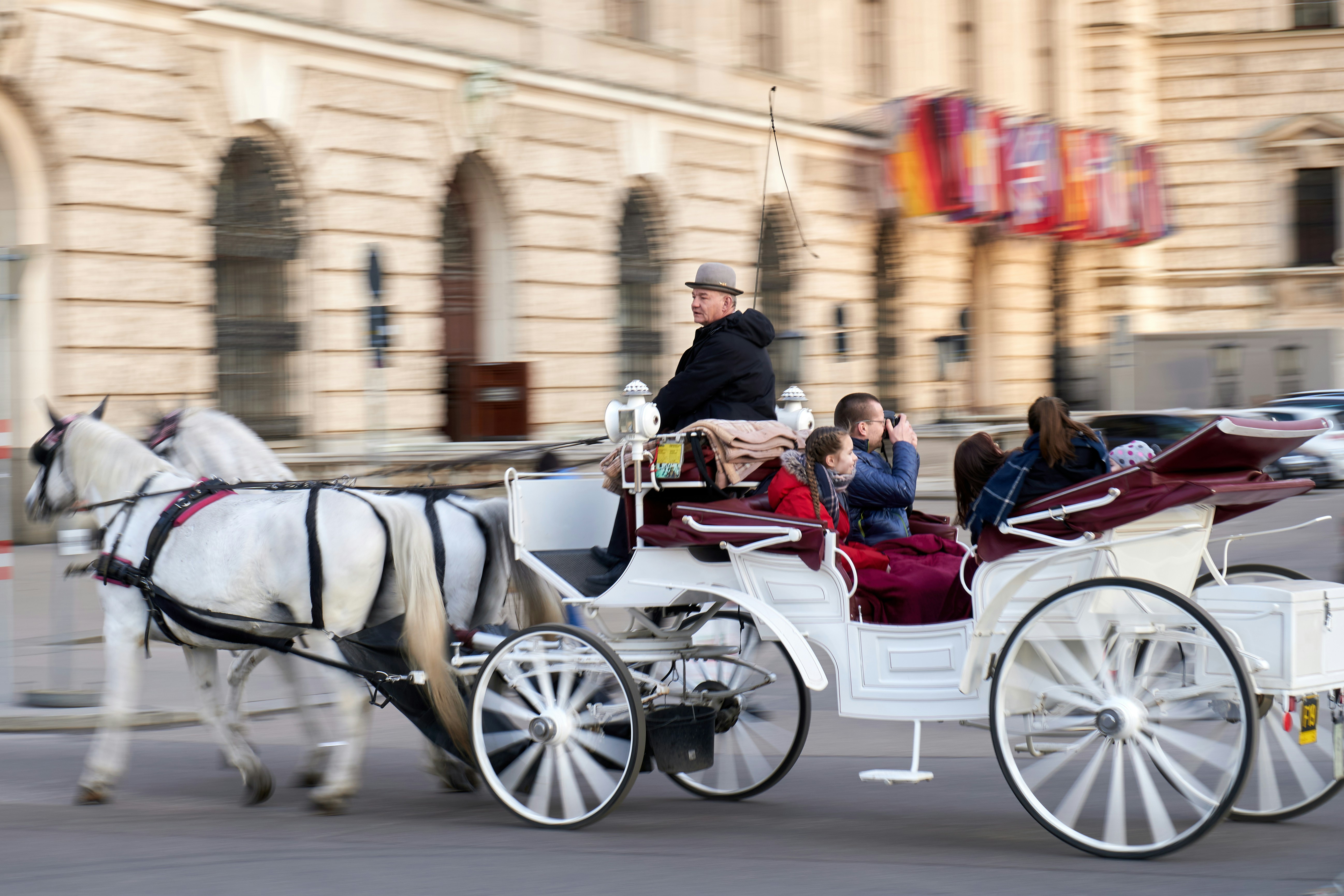
A horse-drawn carriage changes the pace of a journey: hoofbeats, harness and an elevated view replace an engine and sealed cabin. It can reveal the working partnership between driver and horses, but the romance depends on good welfare. A beautiful route does not compensate for exhausted animals, ill-fitting tack, unsafe traffic or an operator unable to answer basic care questions. Choose a licensed UK operator, heritage estate or established rural provider with transparent welfare standards. Look for healthy body condition, sound movement, clean water, shade or shelter, rest periods and a vehicle suited to the horse and terrain. Ask about route, duration, weather limits, passenger capacity, accessibility and cancellation arrangements before booking. Follow the driver’s boarding instructions, keep hands inside the carriage and never feed or touch a horse without permission. Keep noise low around the team and do not ask for speed. Walk away if a horse appears lame, distressed, injured or forced to work in dangerous heat, ice or traffic, and report serious welfare concerns to the relevant authority. Take a complete short journey and spend time learning the horses’ names, the type of carriage and how voice, reins and harness communicate. Completion is supporting a responsible working partnership and arriving safely—not demanding a staged gallop, blocking traffic for photographs or treating the animal as invisible machinery.