Ride on a Heritage Steam Railway
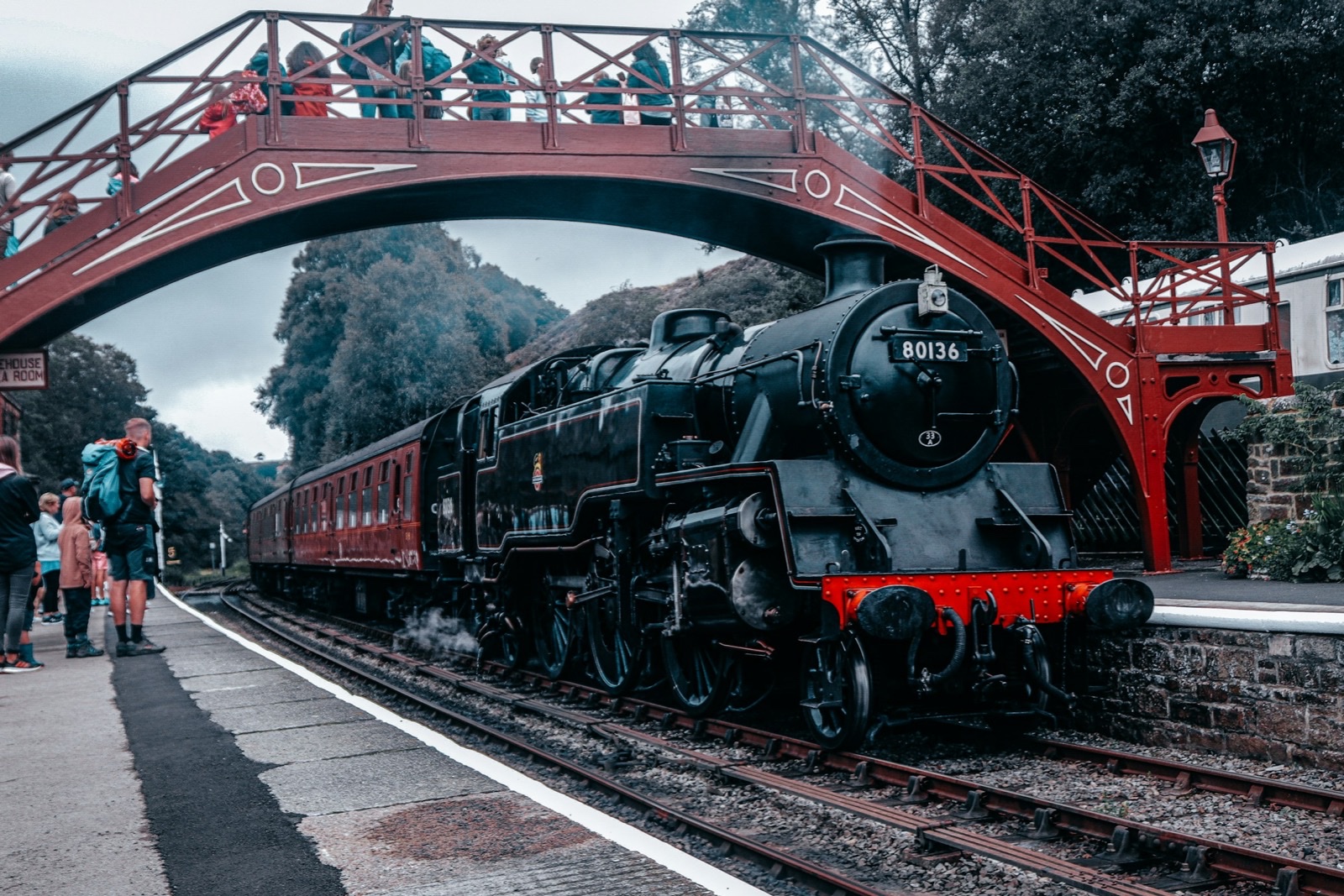
Hear the exhaust sharpen as the locomotive pulls away, smell coal smoke at the platform and watch the countryside move past a carriage window at a deliberately unhurried pace. A heritage railway turns transport into a day out and keeps old engineering working rather than frozen behind museum barriers. Britain has more than two hundred minor and heritage railways, ranging from short industrial lines to substantial routes through mountains and along coasts. Volunteers restore track, signalling, stations, engines and rolling stock using skills that have largely vanished from the national network. Steam is the headline attraction, although many railways also preserve diesel, electric, tram and narrow-gauge history. Use the Heritage Railway Association directory to find a line, then check the operating calendar carefully. Steam services may run only on selected days, with different fares for returns, rover tickets, dining trains and special events. Accessibility varies enormously because historic vehicles and platforms were not designed to modern standards, so contact the railway before booking if step-free boarding or adapted seating is important. Arrive early enough to explore the station and watch the locomotive run round or take water. Wear layers, avoid leaning from windows and follow platform instructions. Add this to your list for a journey where the machinery, volunteers and ritual of departure matter as much as the destination.