Ride on a hovercraft
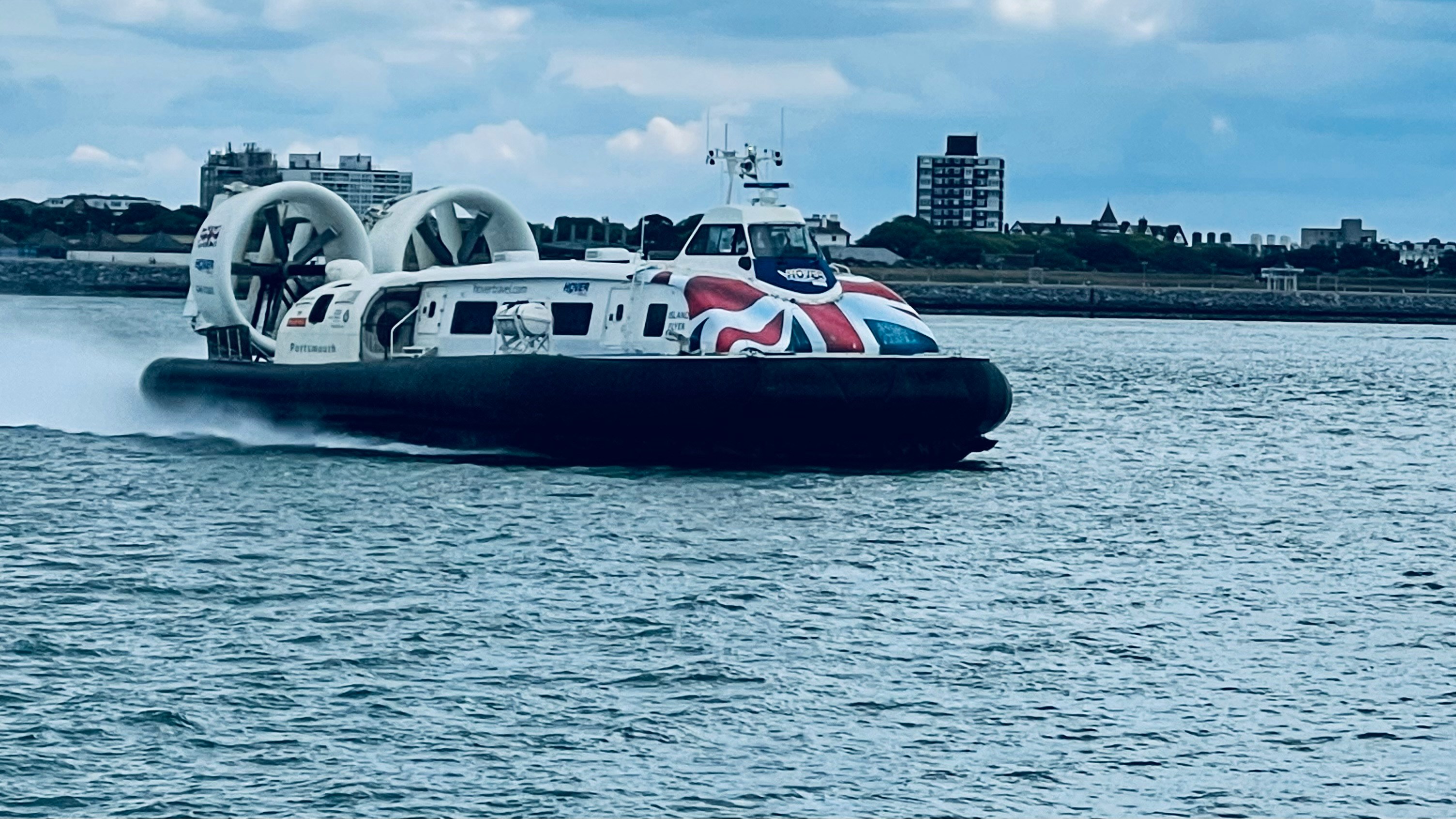
A hovercraft rides on a cushion of air, crossing water, mudflat or firm ground without a conventional hull remaining in the water. Passenger services and supervised experience rides reveal the distinctive lift, vibration and sideways drift while keeping operation with trained crew. That is different from buying or informally driving a small recreational craft. In the UK, choose a certified commercial passenger service, recognised museum demonstration or insured operator working within the relevant Maritime and Coastguard Agency rules. Check route, ticket, age and mobility arrangements, hearing considerations and weather policy. For an experience ride, confirm whether you are a passenger or receiving genuine instruction and what certification covers the craft. Attend the safety briefing, use the provided hearing or flotation equipment and remain in the assigned seat or area. Keep clear of skirts, propellers, intakes and operating zones on shore. Never approach a craft until crew signal, and do not use an unregistered paid operator or assume a calm beach makes private high-speed operation acceptable. Complete one lawful journey or demonstration and notice the transition between surfaces, the steering lag and the machine’s unusual relationship with the ground. Ask one practical question about control or maintenance. Completion is travelling on a properly operated hovercraft—not personally taking the controls, trespassing near a rescue or military craft, or treating noise and speed as substitutes for safe practice.