Learn to Say Thank You in 10 Languages
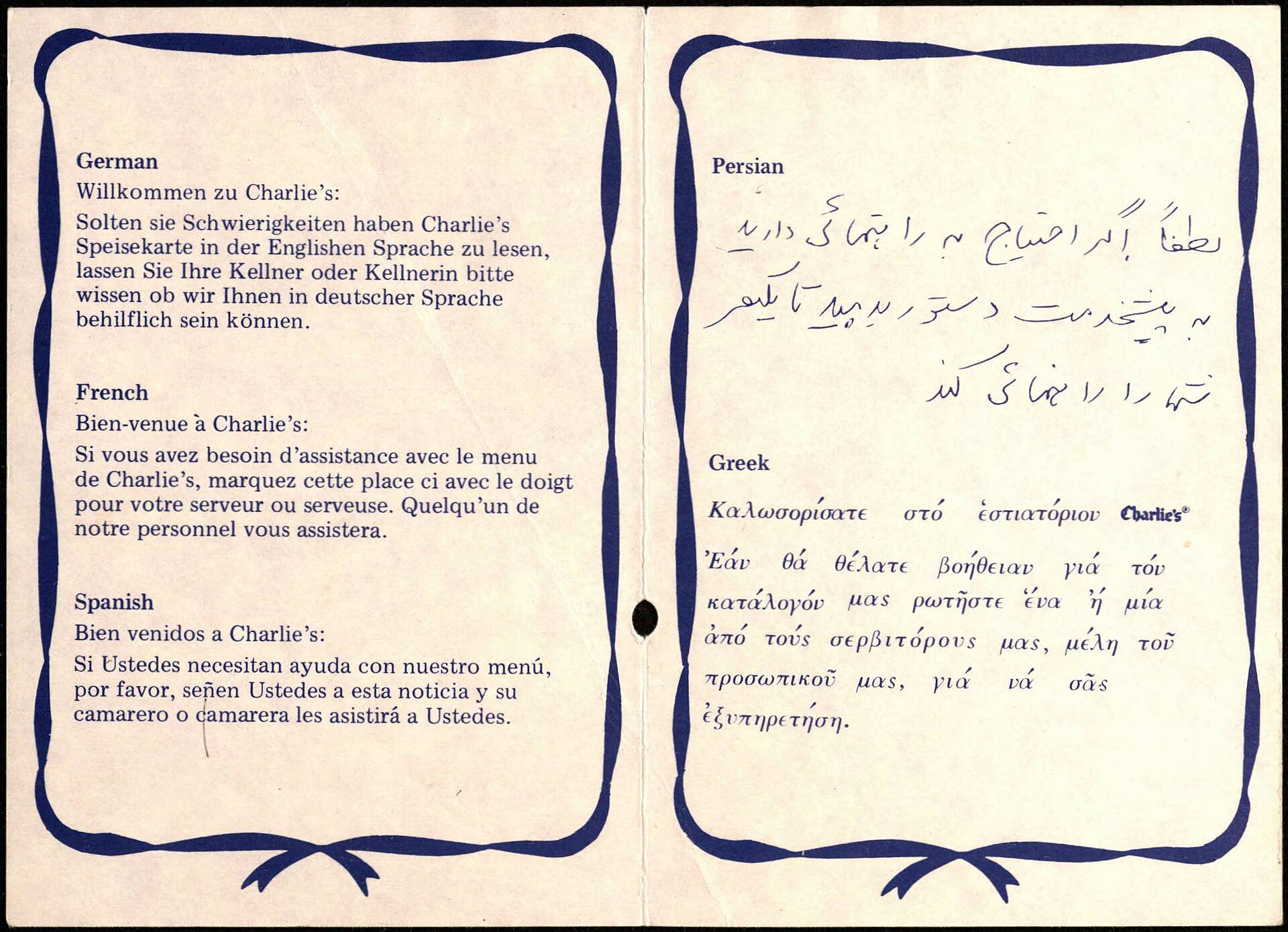
One short phrase can change the temperature of an exchange. The words may be unfamiliar and the first pronunciation imperfect, but the effort becomes visible the moment another person recognises that you chose to meet them in their language. Pick ten languages connected to people, places or communities you actually encounter. Learn the everyday phrase, a more formal version where it matters, and the sound and rhythm from native or expert recordings. Writing a rough English spelling is useful only as a temporary bridge, not as the final pronunciation. Use reputable dictionaries, public language resources or a willing speaker, and ask rather than assuming which language someone uses. Notice scripts, tone and gestures, but avoid turning a person's language into a performance or demanding free teaching. Practise with spaced repetition and keep audio available for checking. Count this complete when you can recognise, say and appropriately use ten expressions without reading them from a screen. Add it when you want a small learning project that can make travel, work and ordinary neighbourhood life more attentive.