See a glacier
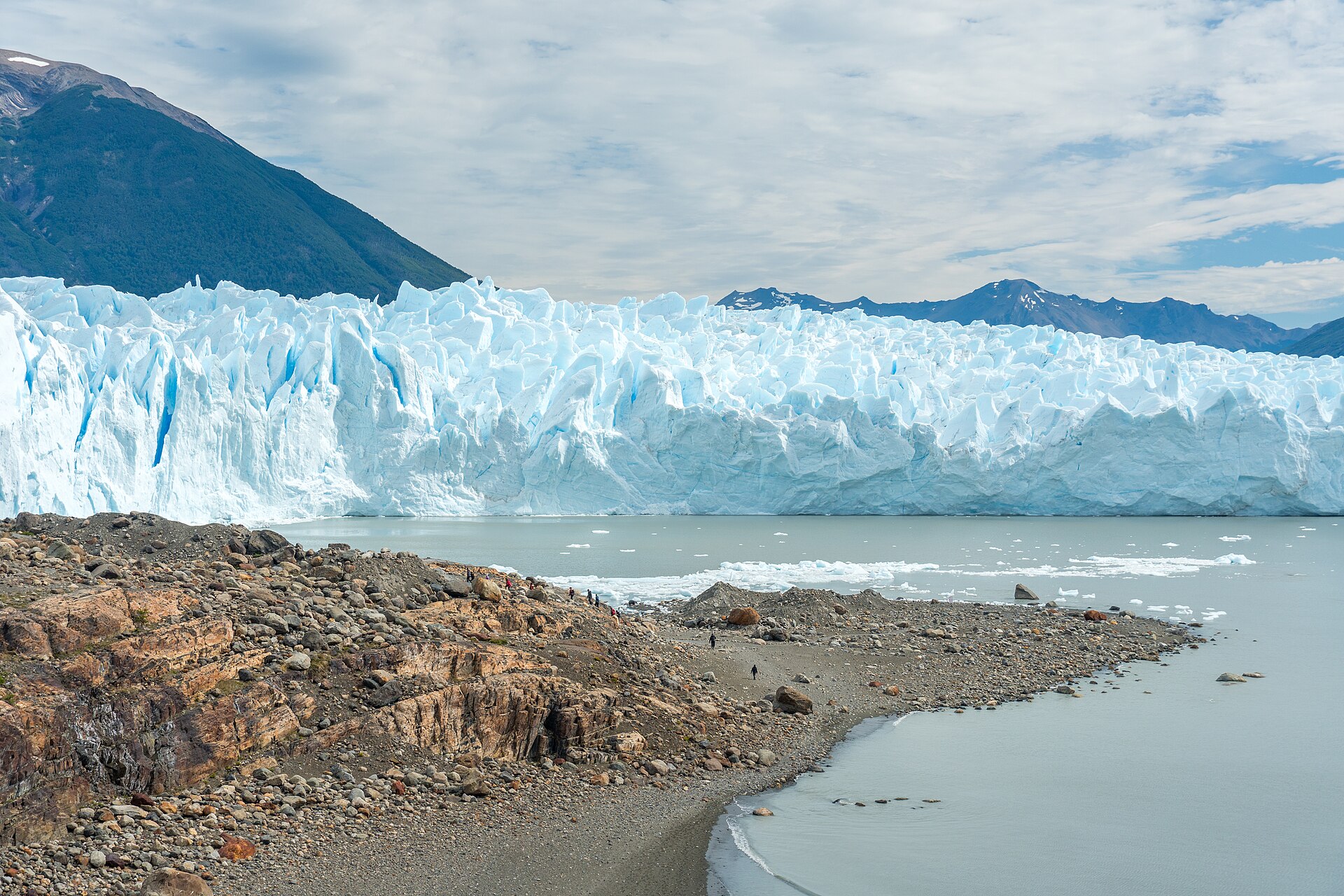
A glacier looks still from a distance, yet its blue creases, meltwater and occasional cracks reveal a river of ice in motion. Standing before one turns an abstract idea about deep time and changing climate into a landscape with weight and sound. Choose a legal established viewpoint, boat trip or professionally guided walk. A roadside or trail view can be just as meaningful as stepping onto ice, and it is often safer and more accessible. If you do walk on a glacier, use an authorised guide who supplies the technical equipment and checks conditions. Season, access and cost depend entirely on the location, so there is no honest universal best month. Check the responsible park or operator, route conditions and weather shortly before setting out. Wear layers, secure footwear and sun protection; never cross barriers, approach unstable ice or walk onto a glacier independently. Count this complete when you have observed a real glacier from a safe, permitted place and learned something specific about how it formed or is changing. The lasting moment is not getting dangerously close, but recognising that the apparently permanent ice is alive and vulnerable.