Stay in a forest for one night alone
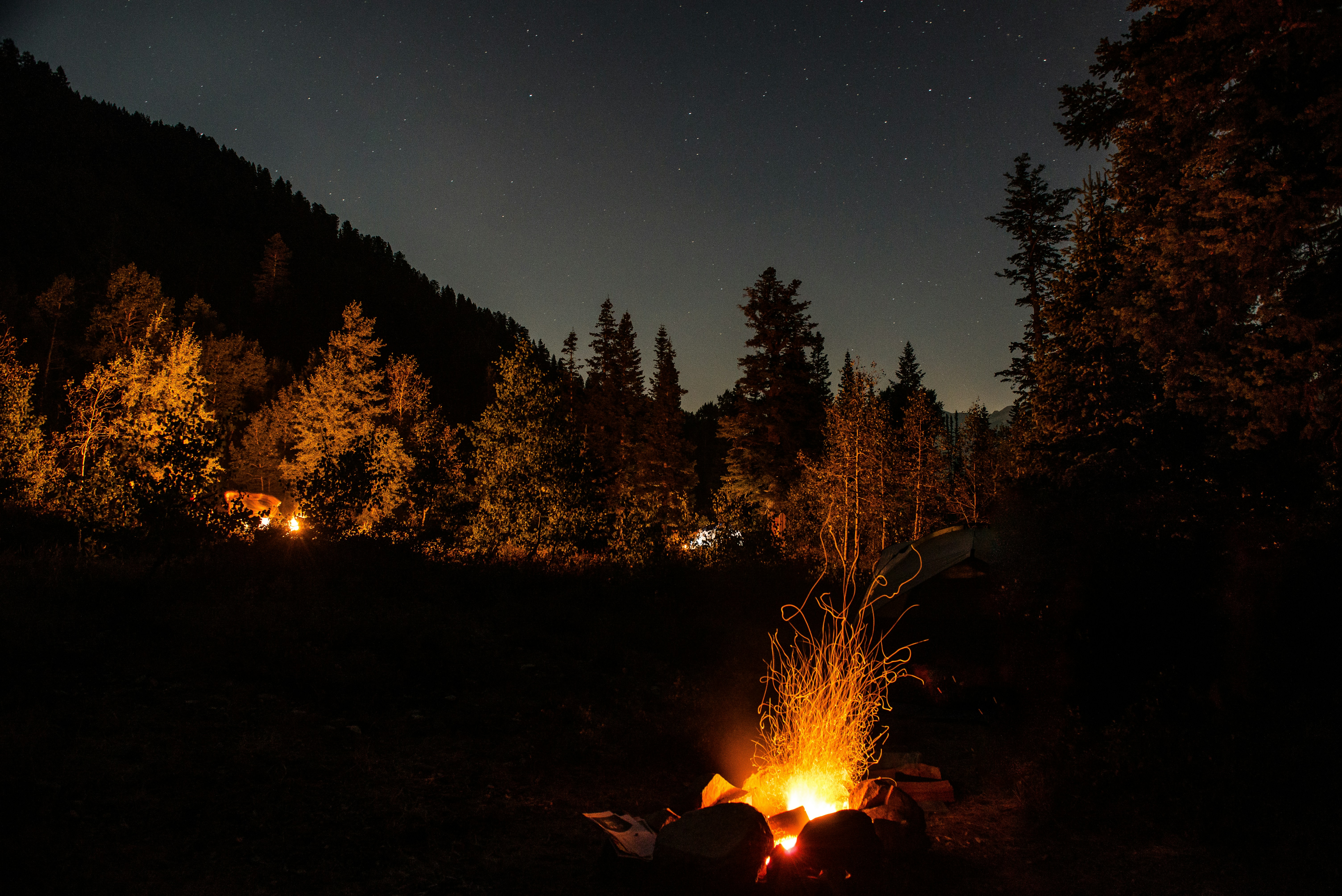
Choose your spot before dark, get your shelter sorted, and settle in while the forest changes around you. Once daylight fades, familiar noises become harder to place: branches move, animals rustle through undergrowth, birds call from somewhere you cannot see, and every sound feels closer when you are the only person there. Spending a night alone in a forest turns an ordinary campsite into a much more intense exercise in self-reliance. The challenge is mostly mental rather than technical. You need enough practical competence to stay warm, dry and safe, but the harder part for many people is becoming comfortable with darkness, uncertainty and the lack of other people nearby. Done responsibly, it can build confidence in navigation, campcraft and decision-making without needing to become an extreme survival exercise. Use a legal campsite, permitted wild-camping area or private woodland where overnight stays are explicitly allowed. Tell someone where you will be, carry reliable navigation and communication, check the weather, and avoid areas with known hazards or restrictions. Start with one night somewhere accessible before trying a more remote location. Add this to your list and spend one full night relying on your own preparation and judgement.