Take a falconry class
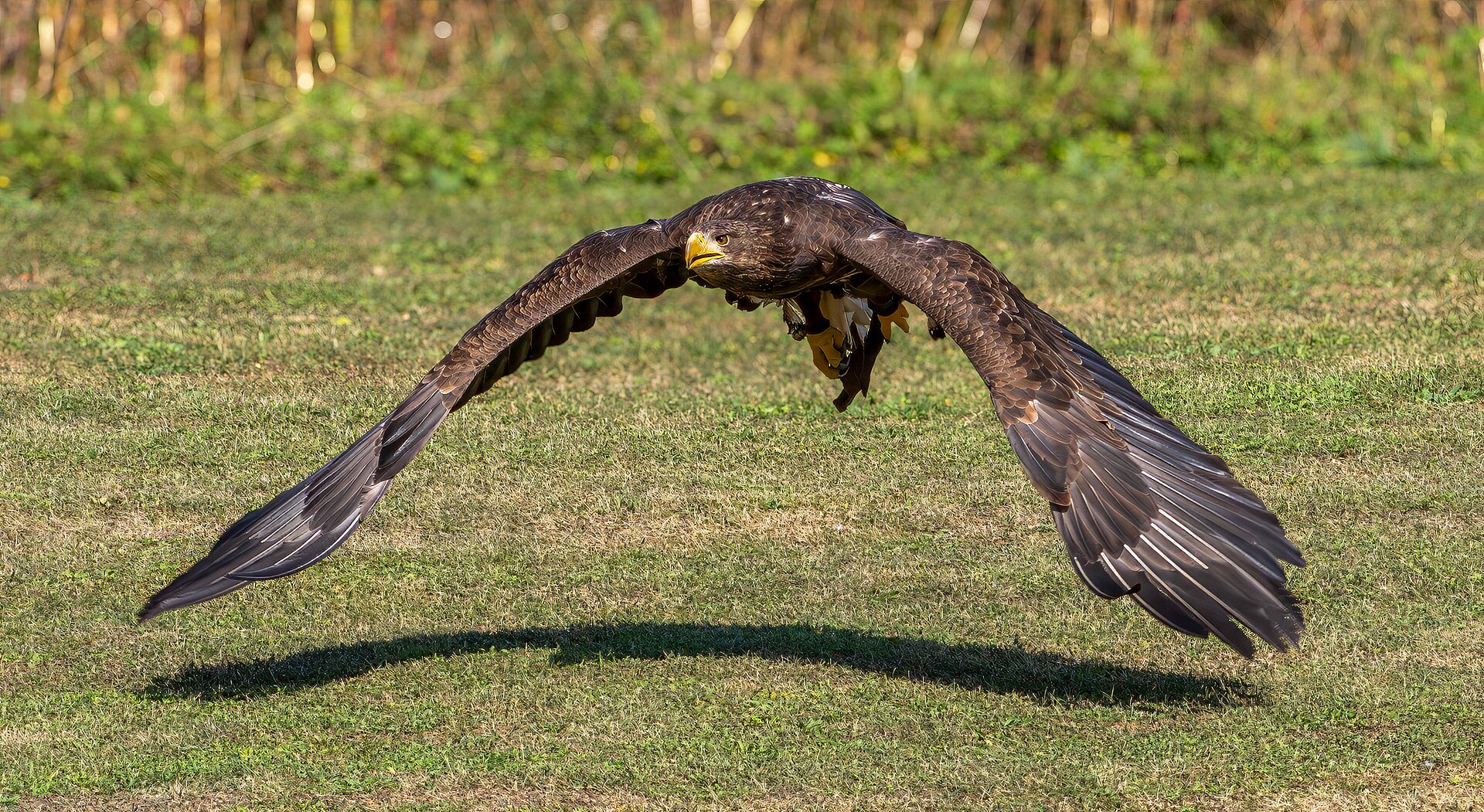
A bird leaves the glove with startling weight and silence, then returns because a trained relationship, not a trick, has brought it back. A good falconry class lets that moment sit inside a fuller lesson about behaviour, care and the handler's responsibility. You may learn how different birds of prey fly and hunt, how equipment is used and how a bird is weighed, handled or recalled. Direct contact should be limited by the bird's welfare and the instructor's judgement rather than promised as a photo opportunity. Choose an established centre that explains welfare, licensing, insurance and what participation actually includes. Follow the falconer's instructions, keep movements calm, do not touch a bird without invitation and accept changes when weather, moulting or the bird's condition makes flying unsuitable. Count it complete after a structured class that includes responsible handling or an observed flight plus a clear account of daily care. Add it if meeting a bird of prey makes you want to understand the discipline behind the glove.