Learn Astronomy and Find Your Way Around the Night Sky
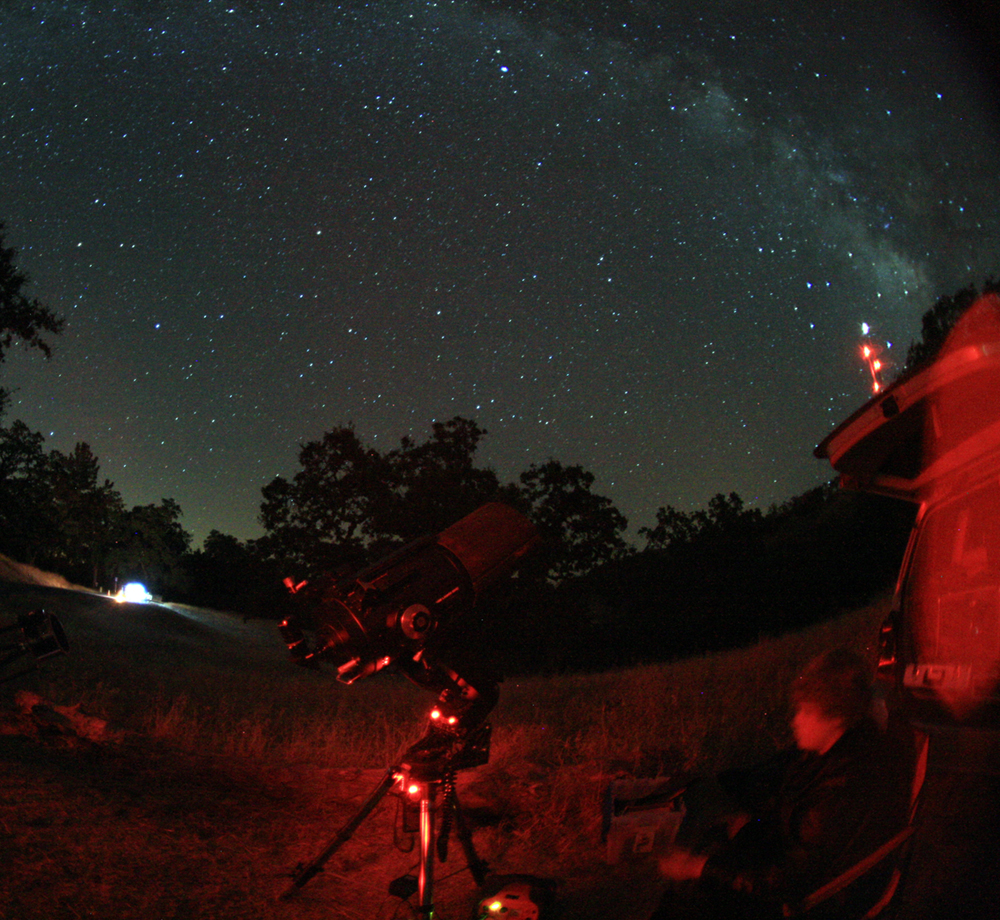
The night sky stops looking like a scatter of lights when the first patterns hold still. Find one familiar constellation, trace it again on a later evening, and the stars begin to feel less like a ceiling and more like a landscape you can navigate. Start with your eyes, a simple star chart or reputable app and one or two targets visible from your latitude. Learn how the sky changes through the seasons before buying a telescope. Binoculars can reveal the Moon, star clusters and bright nebulae, while a local astronomical society can provide patient guidance and access to better equipment. Choose a dark, lawful observing place with a safe route and let someone know where you are going. Use a dim red light to protect night vision, dress for standing still in the cold and never look at the Sun through binoculars or a telescope without purpose-made, correctly fitted solar equipment and expert instruction. Cloud and light pollution are normal reasons to postpone. Count this complete when you can locate several objects without being led to each one and explain what at least one of them is. Astronomy rewards repetition: the real moment is not seeing everything, but realising that you have begun to recognise the sky.