Learn calligraphy or hand-lettering and create finished artwork
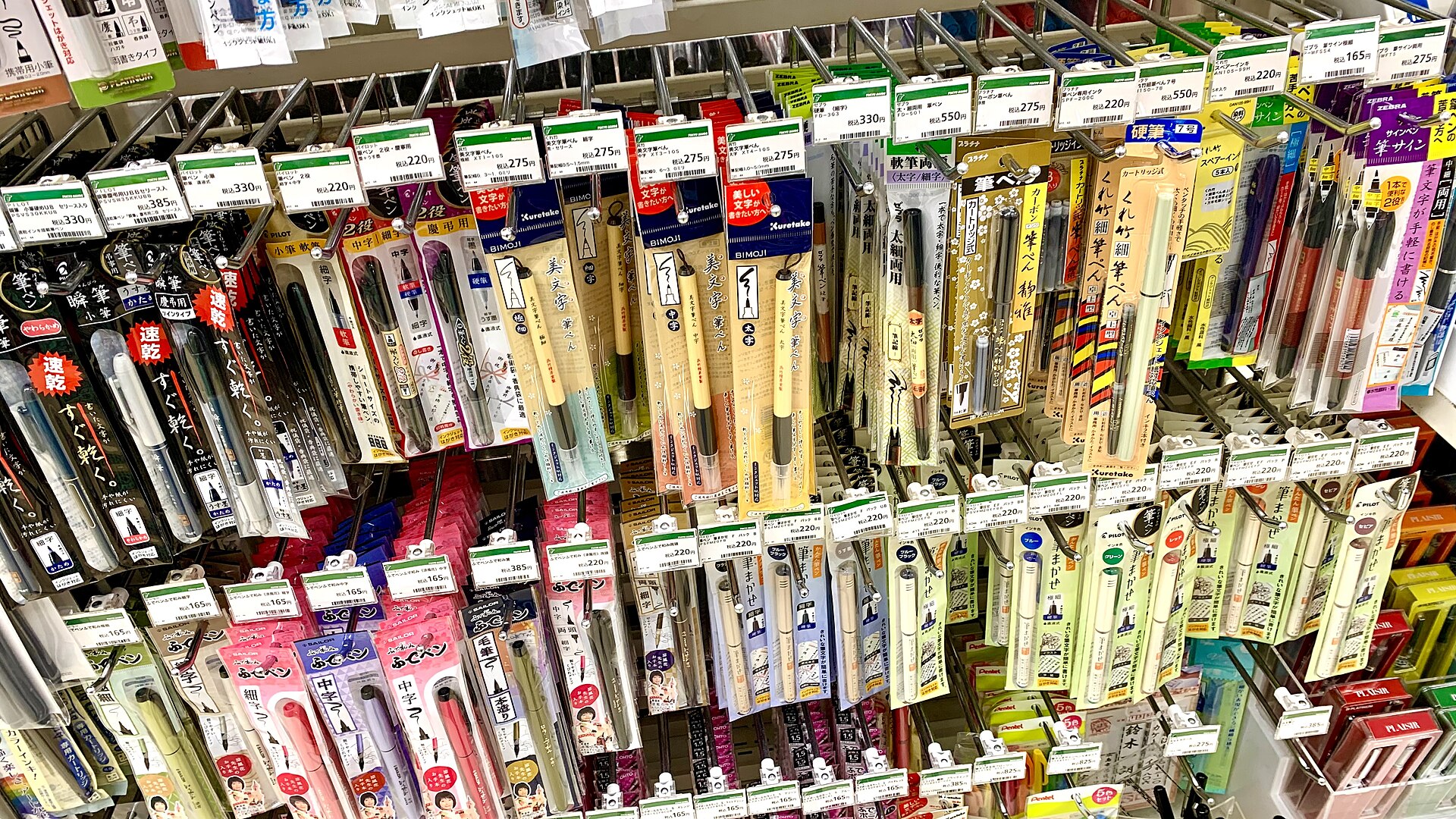
At first, the pen catches and every stroke seems to expose a wobble. Then pressure, angle and breathing begin to line up, and a row of letters develops a rhythm that handwriting alone never quite had. Choose one script or lettering style and learn its basic strokes before attempting quotations and flourishes. A short taught course can prevent months of fighting the wrong nib, grip or paper, but regular ten-minute practice matters more than an expensive kit. Study letter spacing and composition as carefully as individual forms. Start with a suitable pen or brush, smooth practice paper, ink or markers, guidelines and a surface at a comfortable height. Water-based brush markers are simpler for beginners; pointed-pen work needs more care with ink and sharp nibs. Adapt the tool diameter, grip or paper position if dexterity or vision requires it. Count this complete when you can produce a finished card, print or page whose layout, spacing and letterforms were planned and revised rather than copied once. The real shift is seeing words not only as language, but as shapes you can patiently control.