Learn a Tap-Dance Routine
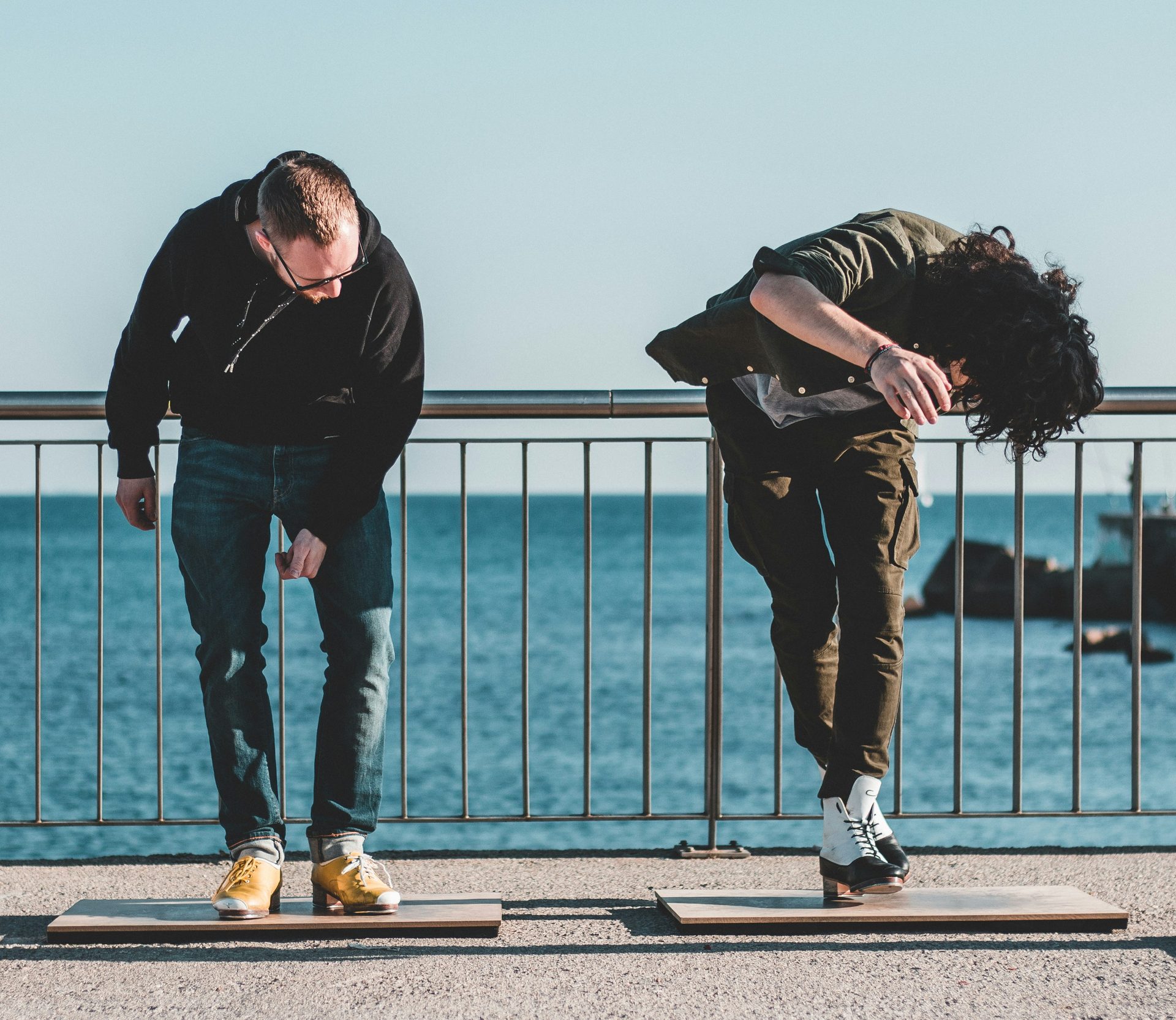
The first clear shuffle is a small surprise: your feet have made rhythm, not merely followed it. As steps join together, the floor becomes an instrument and a short routine begins to sound like something you could not do an hour earlier. Book a genuine beginner class with a teacher who explains posture, weight transfer and how to practise without forcing speed. Borrow shoes if available, use a sprung or suitable dance floor and choose an inclusive class that can adapt steps seated or standing. Tell the teacher about joint, balance, hearing or fatigue needs and warm up before impact work. Do not tap on concrete, slippery surfaces or a floor that can be damaged, and stop for sharp pain or dizziness. Ask about step-free access, seating, visual demonstration and amplified or captioned instruction. Count this complete after learning and performing a short sequence with recognisable tap rhythm, at whatever tempo works for you. Add it if you want music to move from your ears into your whole body and leave you with a skill that can keep growing.