Stand Beside an Ancient Pyramid Without Touching It
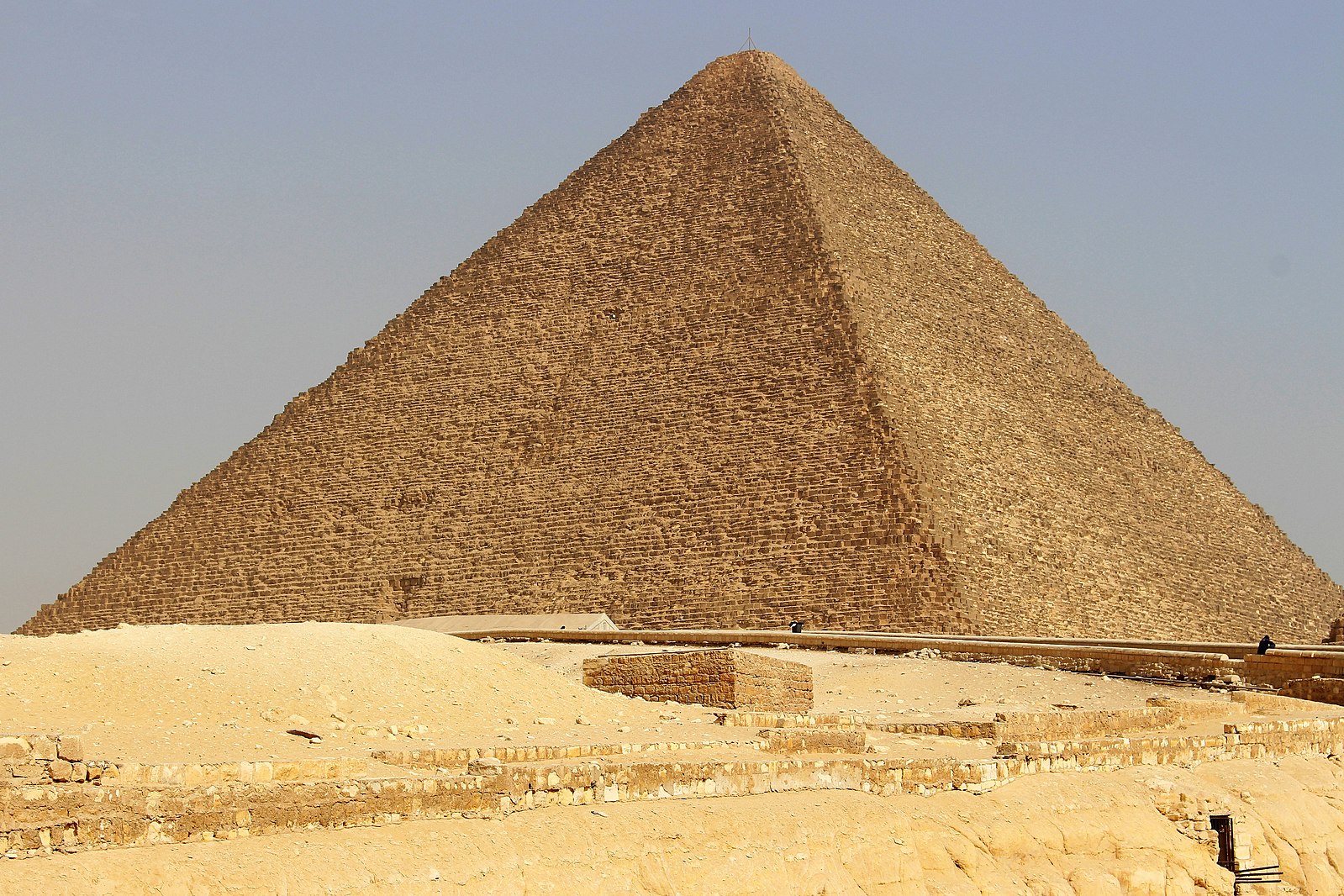
A pyramid looks almost abstract from a distance: a clean triangle against the desert. Stand beside one and it breaks into individual blocks, weathered edges and human-scale gaps, while the summit remains improbably far above. The encounter is powerful precisely because the monument no longer fits neatly into a picture. Giza is the best-known setting, where the pyramids of Khufu, Khafre and Menkaure sit within a wider funerary landscape that includes temples, tombs and the Great Sphinx. The Great Pyramid is the only surviving Wonder of the Ancient World, but it is also protected archaeological fabric, not something to climb, sit on or handle. Use authorised entrances and paths, obey barriers and staff, and do not touch or climb the masonry even if other visitors do. Heat, glare, uneven ground, crowds and limited shade matter: carry water, use sun protection, wear stable footwear and check current travel advice and site conditions before setting out. Count it complete after standing close enough to understand the pyramid’s physical scale while leaving every stone undisturbed. Add it if you want a familiar image to become a real place—one built by people, changed by time and still capable of making the modern world feel briefly small.