Change a tyre
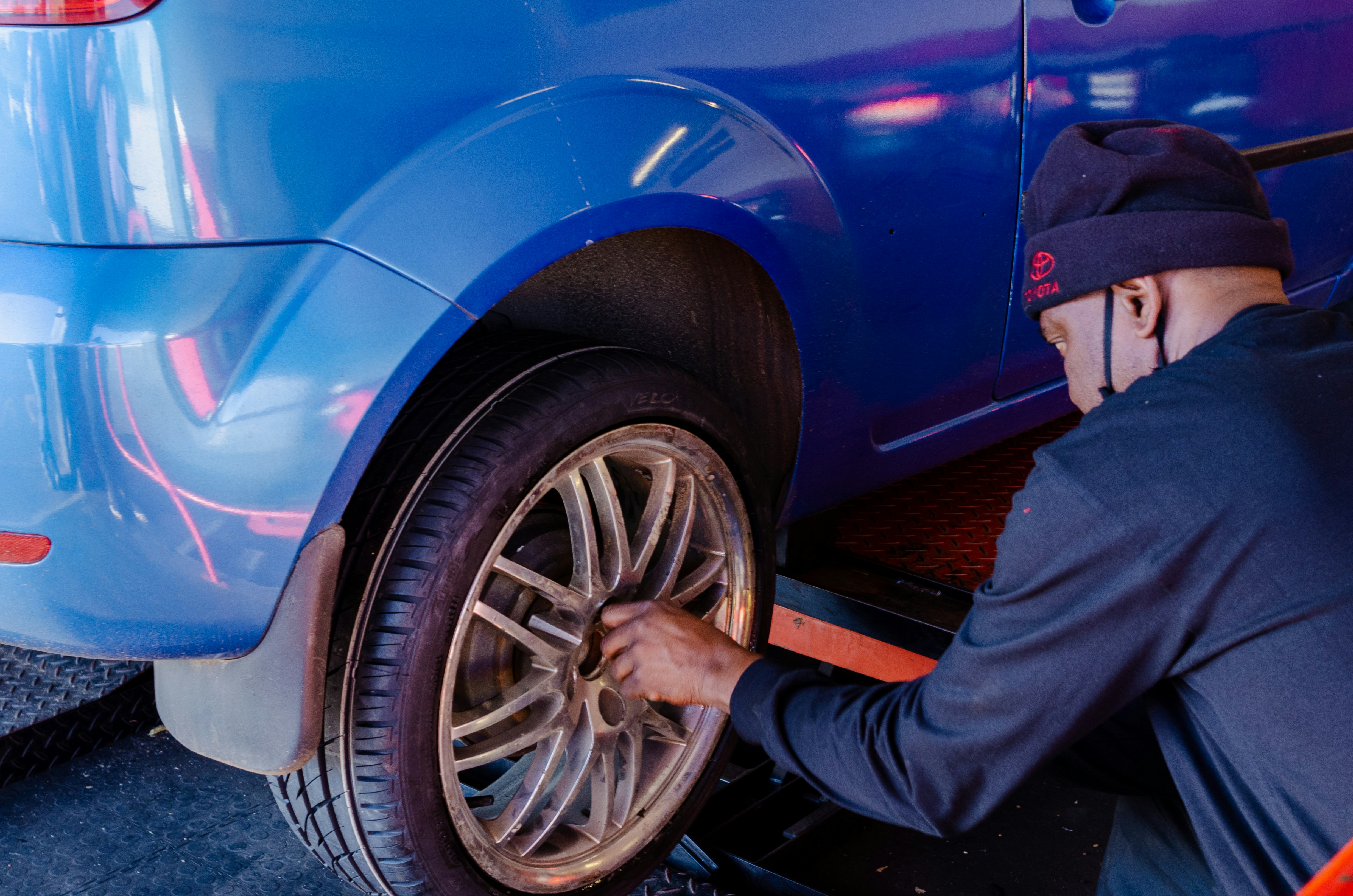
Changing a wheel after a puncture is a useful vehicle skill, but the first lesson is deciding whether the location makes the job safe. Practise in daylight on firm private ground with the vehicle handbook open. Modern cars may carry a full-size spare, temporary space-saver, sealant kit or run-flat tyres, and each demands a different response. Locate the approved jacking points, spare, jack, wheel brace, locking-wheel-nut key and any removal tool before a breakdown. Check the spare’s pressure and limitations, and learn the manufacturer’s loosening, lifting and tightening sequence under competent supervision. A torque wrench may be required for final tightening. Never improvise a jacking point or crawl beneath a vehicle supported only by its emergency jack. On the road, put people before the wheel. The Highway Code says to change a tyre only when it can be done without risking yourself or others; otherwise call breakdown assistance. Do not attempt the task in a live motorway lane or another exposed high-speed location. Where a safe change is possible, use firm level ground, secure the vehicle exactly as the handbook directs and keep passengers away from the work area. Fit the replacement in the correct orientation, tighten progressively in the specified pattern and lower the car without placing hands or feet beneath it. Stow the damaged wheel and tools securely, observe a temporary spare’s speed and distance limits, and arrange prompt professional repair, pressure and torque checks. Completion is changing one wheel safely during practice or a suitable breakdown—not proving independence beside dangerous traffic or assuming every puncture kit contains a usable spare.