Complete a Horse Jumping Obstacle
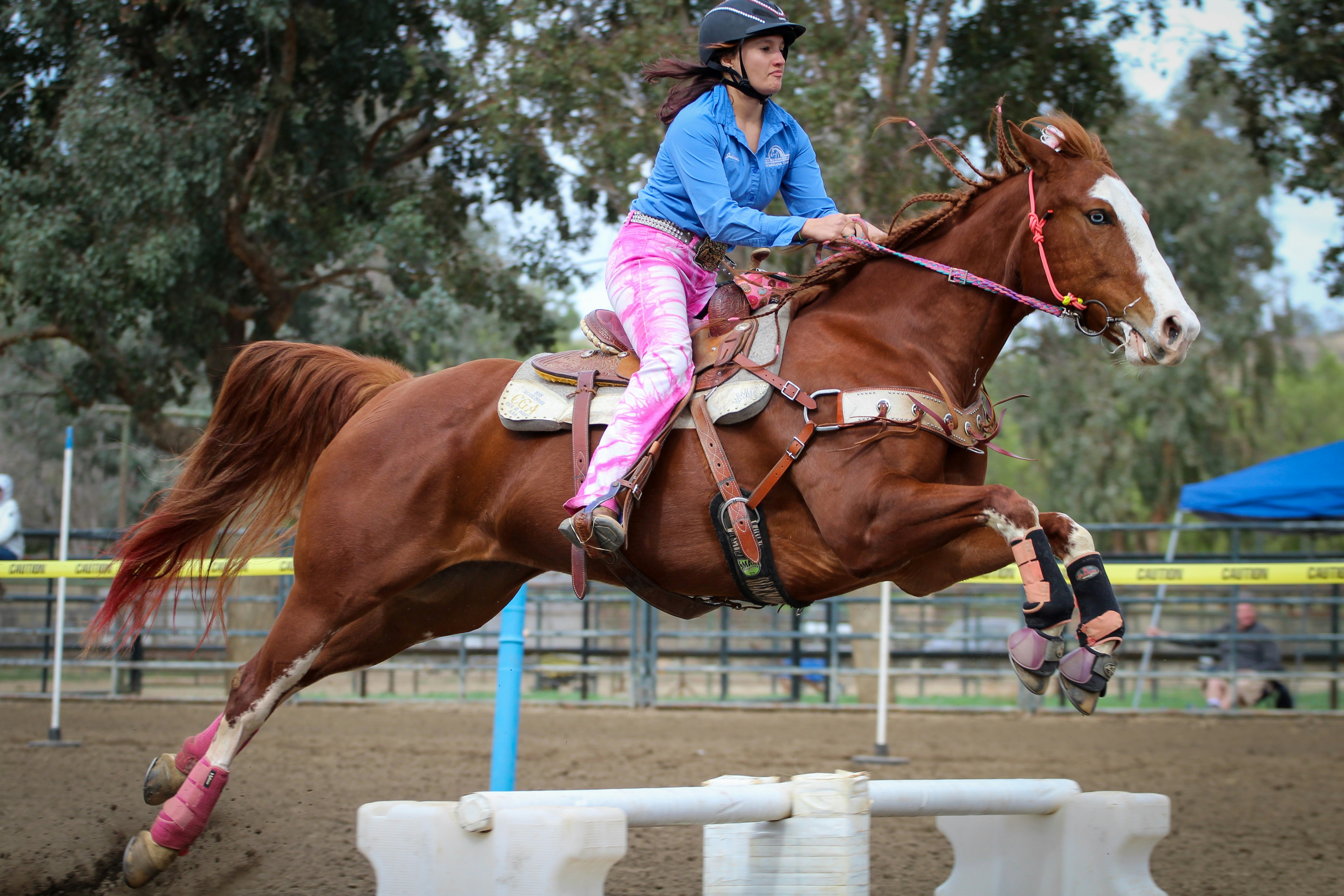
A small cross-pole comes into line between the horse's ears. You hold the rhythm, look beyond the fence and feel the stride lift rather than trying to throw yourself over first. The landing may be over in a second, yet clearing that first obstacle calmly can represent weeks of work on balance, steering and trust. Jumping begins well before the poles are raised. A rider needs an independent seat and a secure lower leg, while the horse must be suitable, sound and confident in the exercise. Lessons often develop through poles on the ground, raised poles and small fences so that both partners learn to keep a regular approach. Height is a poor measure of progress: a balanced line over a modest obstacle is a better achievement than a larger jump reached through speed, tension or repeated refusals. Learn at a reputable riding school with a qualified instructor who can match you to the right horse and control the arena. Wear a correctly fitted riding hat that meets the centre's current standard, suitable boots and any body protection the instructor or venue requires. Check tack before mounting, warm up properly and never build or attempt jumps alone. Follow instructions about spacing and turns when others share the school. If the horse becomes tired, anxious or uncomfortable, stop and investigate rather than demanding another attempt; falls, lameness and damaged equipment need immediate attention. Set the goal as one composed approach, take-off and landing. When horse and rider finish in balance and confidence remains intact, the obstacle has done its job—even if it was the smallest fence in the arena.