Try Dry Cupping with a Qualified Practitioner
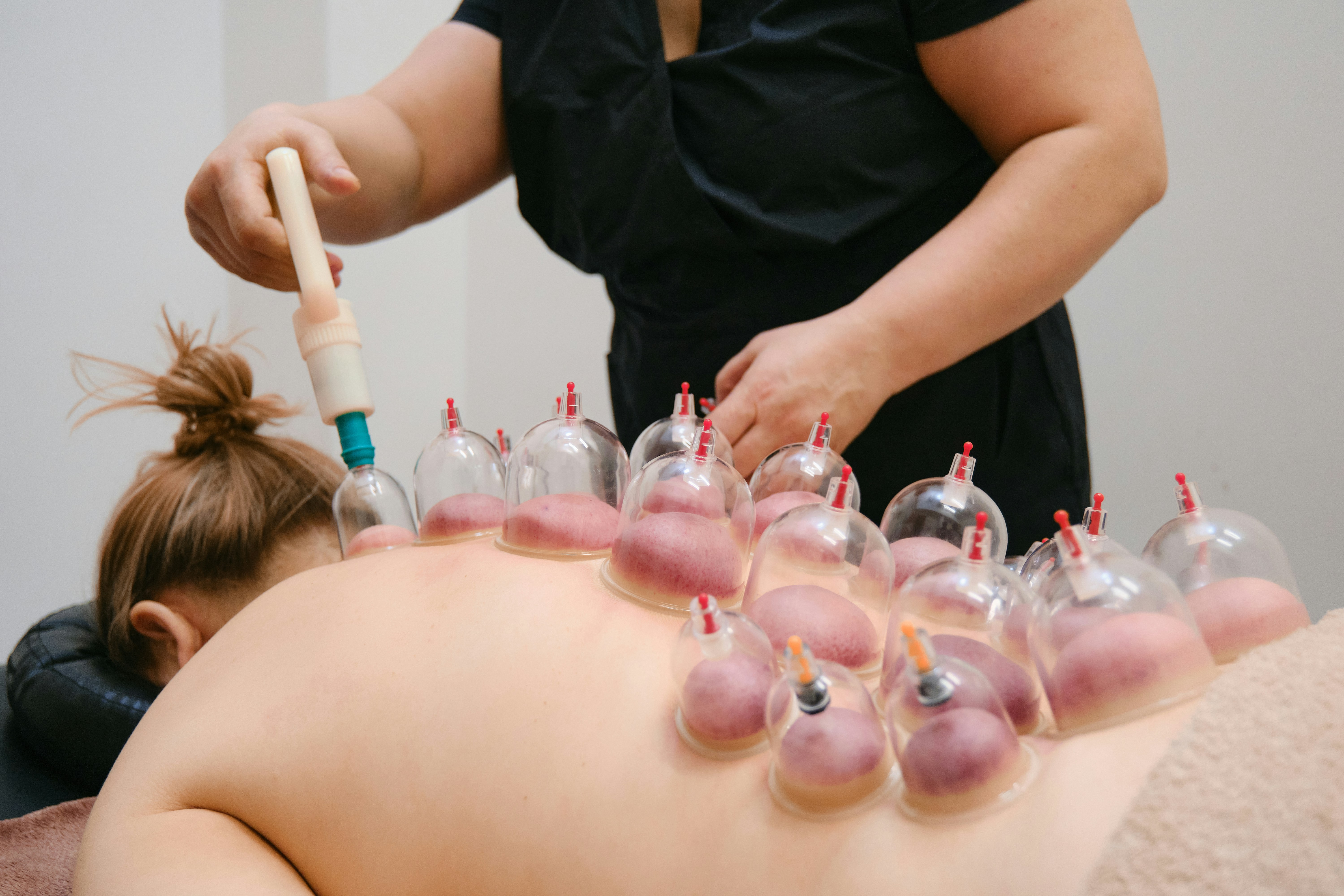
Dry cupping creates a strong pulling sensation as small cups form suction against the skin, often leaving neat circular marks for several days. For some people the appeal is the unfamiliar ritual and a deliberate pause for their body, not a promise of a cure. Choose a properly trained, insured practitioner who takes a medical history, explains the limited evidence for claimed benefits and uses clean, intact equipment. Start with dry cupping rather than a technique that cuts the skin, agree the number and placement of cups, and make clear that you can stop at any time. Cupping can cause bruising, pain, burns, skin damage and infection, and it must not replace medical diagnosis or treatment. Avoid broken or infected skin; seek medical advice first if you are pregnant, have a bleeding disorder, take anticoagulants or have another relevant condition. Stop for severe pain, faintness, blistering or breathing difficulty. Count it complete after one informed dry-cupping session with a qualified practitioner, including an honest discussion of risks and evidence. Add it if you are curious about a traditional practice and comfortable approaching it as an experience rather than a guaranteed health intervention.