Do rum tasting in the Caribbean
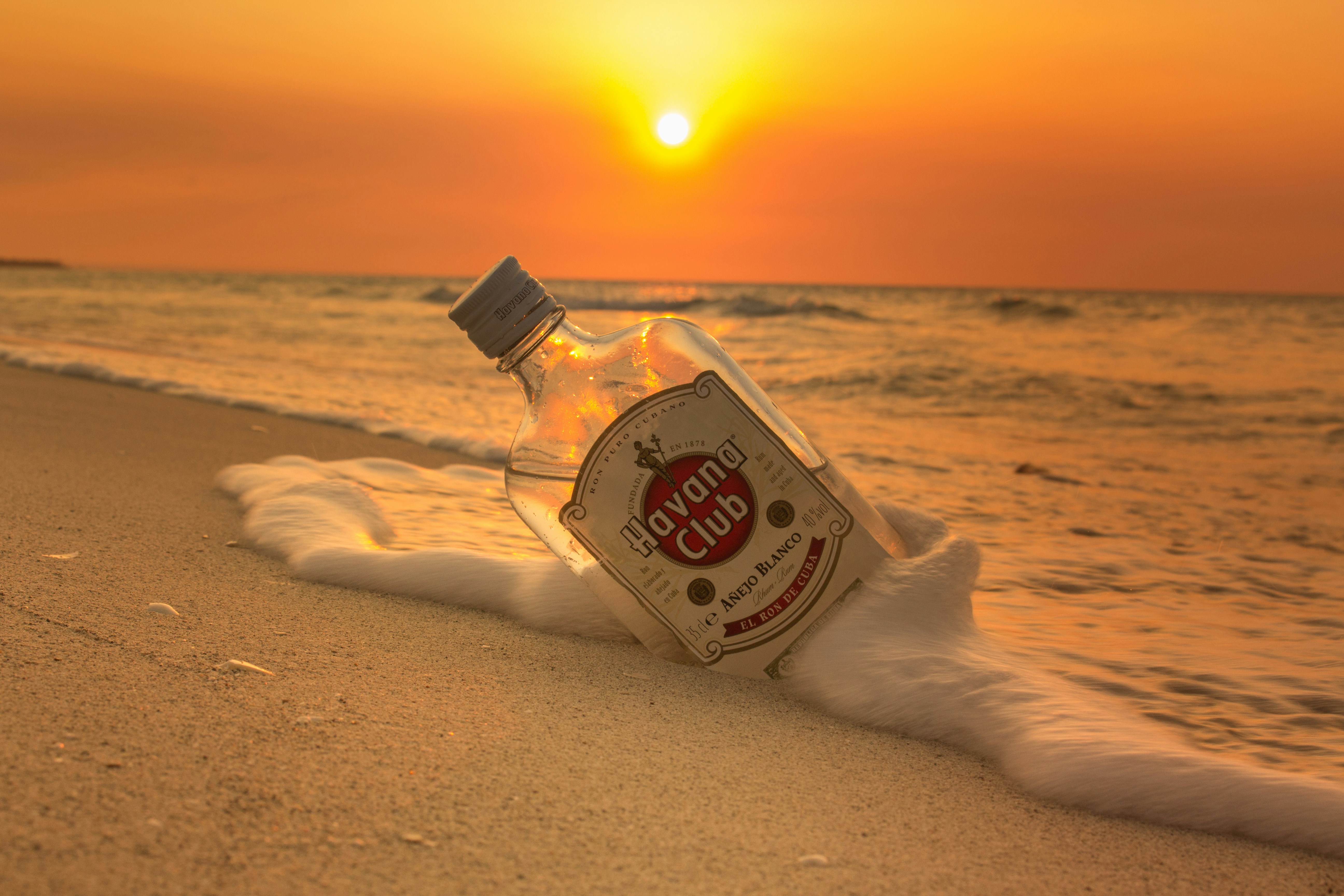
Molasses, oak, fruit and spice become easier to separate when several small measures sit side by side where rum has a living history. A Caribbean tasting can connect flavour to sugar-cane cultivation, distillation, ageing, trade and the people who shaped an industry whose story also includes colonialism and enslavement. Choose a distillery tour or specialist tasting that explains production rather than simply refilling glasses. Styles differ between islands and producers: raw material, still type, fermentation, cask, climate and blending all affect the result. Smell first, taste slowly and add water if the host suggests it. Ask how the distillery discusses labour and historical context, sources cane or molasses and supports the surrounding community. Check current FCDO advice and local entry rules for the particular island, and book transport that does not require anyone tasting to drive. Eat beforehand, alternate with water and keep track of measures and strength; a 25ml serving of 40% rum is about one UK unit, while overproof expressions contain more. Spitting samples or leaving a glass unfinished is normal and sensible. Avoid alcohol during pregnancy, with incompatible medicines or when health makes it unsafe, and make sure alcohol-free companions receive a worthwhile alternative experience. Write down one aroma, one production detail and one historical fact from each stop. The best tasting leaves you able to distinguish the spirits and describe where they came from, not merely announce that the strongest bottle was survived.