Drink at a Distillery
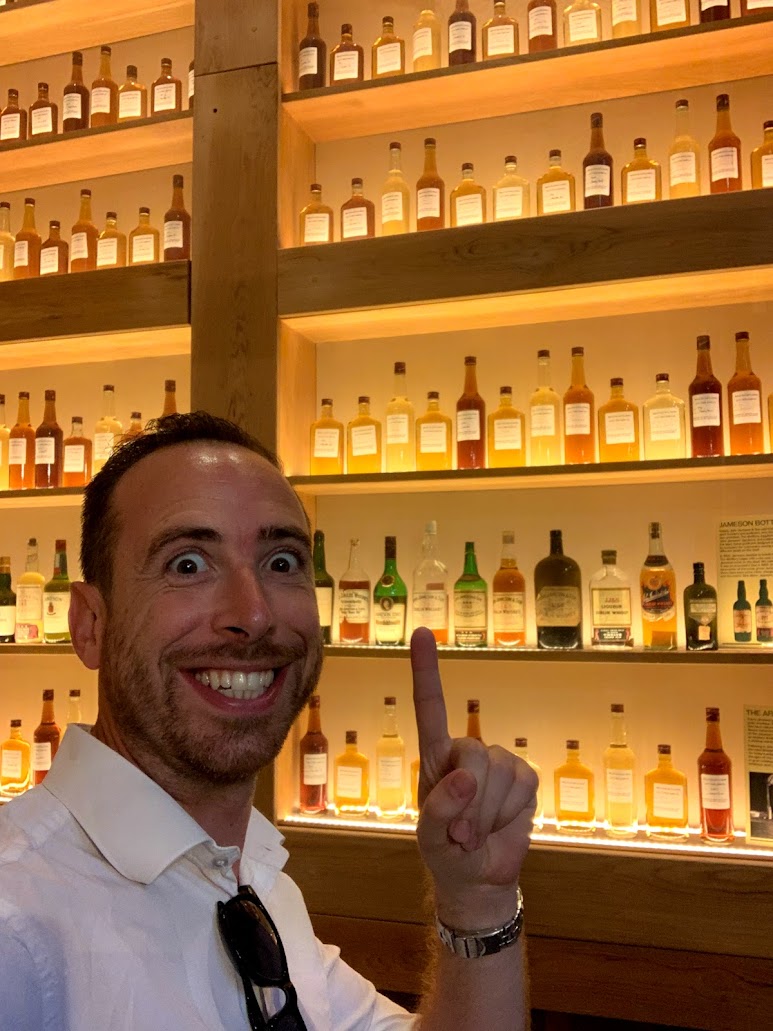
A tasting glass at the place of production carries details that a bar shelf cannot: the warmth of the still room, casks in storage and the guide who can trace a flavour back to grain, fruit, fermentation or wood. Drinking at a distillery works best as the final chapter of understanding how the spirit was made. Choose a licensed visitor experience whose tour covers raw materials, stills, maturation and blending before the samples appear. Whisky, gin, rum, brandy and fruit spirits use different methods, so ask what decisions define this producer rather than expecting one universal process. Production areas may be hot, noisy and tightly controlled because alcohol vapour and machinery create real hazards; follow marked routes and do not touch valves, casks or equipment. Book ahead, wear closed footwear if required and disclose access needs. Eat first, accept small measures, alternate with water and use a spittoon or leave samples unfinished. Check ABV and count units rather than assuming a tasting flight is negligible. Arrange a designated driver, taxi or public transport, and do not take open alcohol into a vehicle. Alcohol-free visitors should ask about botanical samples, production-only tours or driver packs. Observe purchase allowances and customs rules if the distillery is abroad. Select one sample to revisit slowly and note how it connects to something seen on the tour. A bottle from the shop is optional; leaving able to explain the producer's craft is the part worth carrying home.