Eat chicken feet
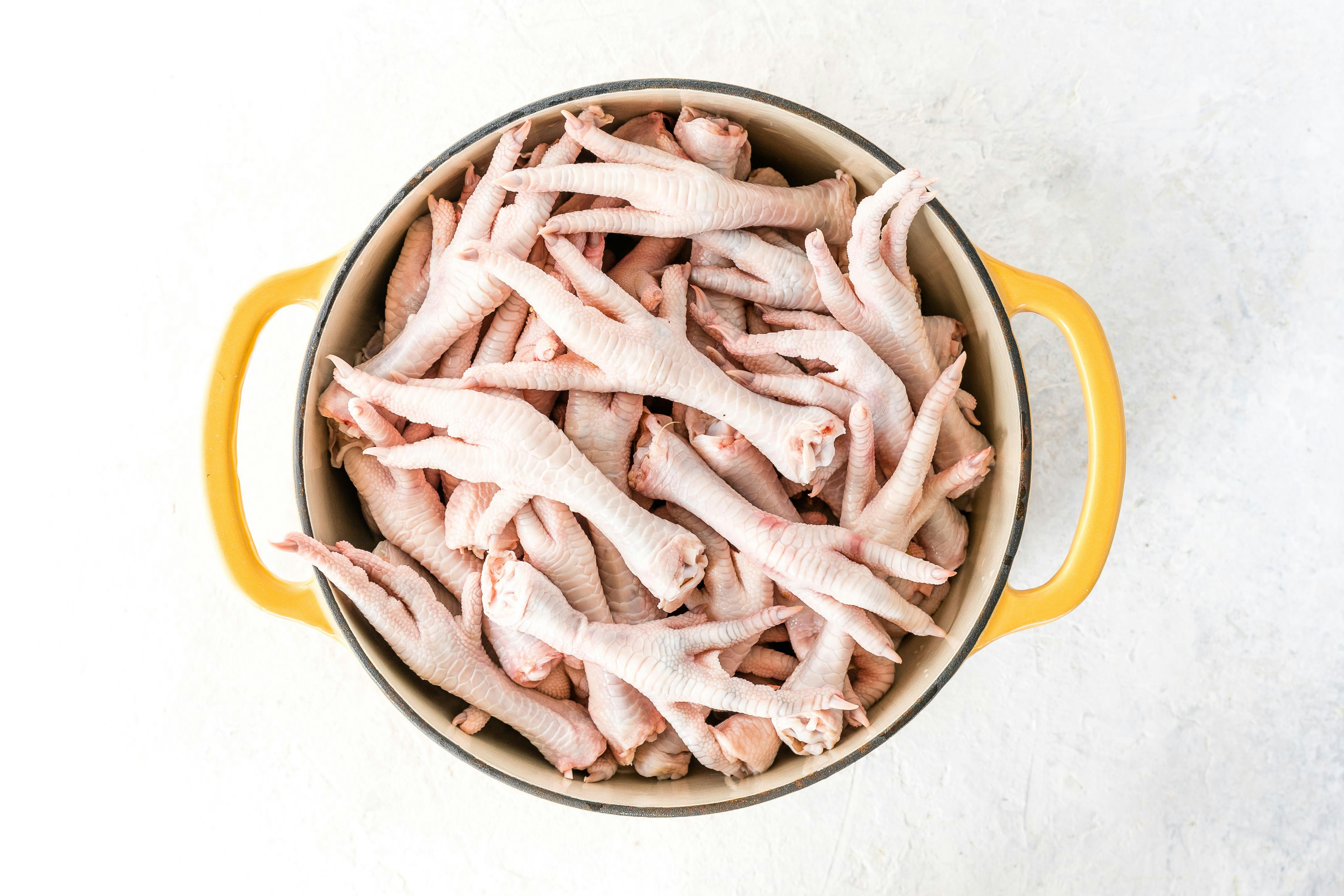
A bamboo steamer opens to reveal chicken feet lacquered in a dark, savoury sauce, their texture soft, springy and rich from slow cooking. In Cantonese dim sum they are often called phoenix claws, while grilled, braised, curried and stewed versions appear in other cuisines. The experience is less about abundant meat than the way skin, tendons and cartilage carry seasoning. Try them at a busy dim-sum restaurant or another kitchen known for a specific regional preparation. Ask staff how to eat the dish if you are unsure: take one foot at a time, work slowly around each section and place the many small bones neatly on the side plate provided. A braised version is usually easier for a first attempt than a dry or heavily fried one. Approach the dish as ordinary food valued by other diners, not as an object for comic photographs. Chicken feet require experienced cleaning and thorough cooking. At home, buy inspected poultry from a reputable butcher, keep it cold, separate it from ready-to-eat foods, wash hands and utensils and follow a trusted recipe and current cooking guidance. Do not wash raw poultry, which can spread bacteria by splashing. Ask restaurants about soy, wheat, sesame and other allergens. The bones and cartilage present a choking risk, so the dish is unsuitable for anyone unable to manage them safely and demands close supervision for children. Notice how the sauce penetrates the skin and how the texture changes from joint to pad. Finishing every piece is not required; eating attentively and understanding a different approach to using the whole bird is a better measure of the experience.