Eat Pig Trotters (Feet)
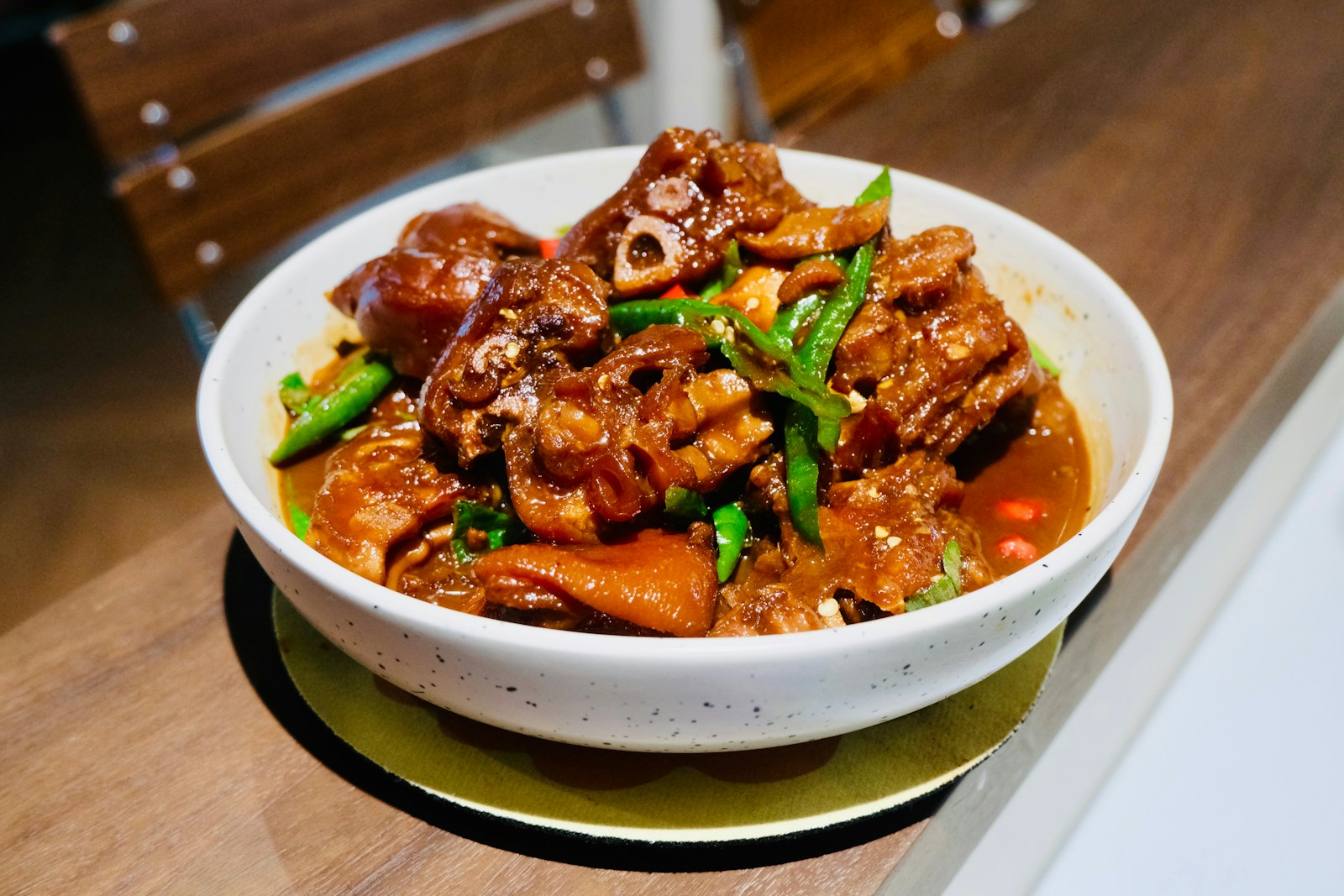
Break through crisp skin into meat and connective tissue that have turned soft during hours of cooking. Pig trotters demand more patience than a neat pork chop, but that collagen-rich texture is exactly why they anchor dishes from Chinese red braises to French pieds de porc and Caribbean stews. The feet contain relatively little conventional muscle, so cooks rely on slow simmering, pressure cooking, deboning or roasting after braising. Bones and skin make the eating hands-on, while spice, vinegar and aromatics cut through the richness. A well-made version feels deliberate rather than like a dare. Try trotters first at a restaurant that specialises in the relevant cuisine, where preparation and texture are part of an established dish. Ask whether they are served whole, deboned or crumbed if bones make you wary, and take small bites rather than rushing. At home, buy cleaned trotters from a trusted butcher and follow a tested recipe. Add this to your list for proof that careful technique can make an overlooked cut the main event.