Eat Tarantula
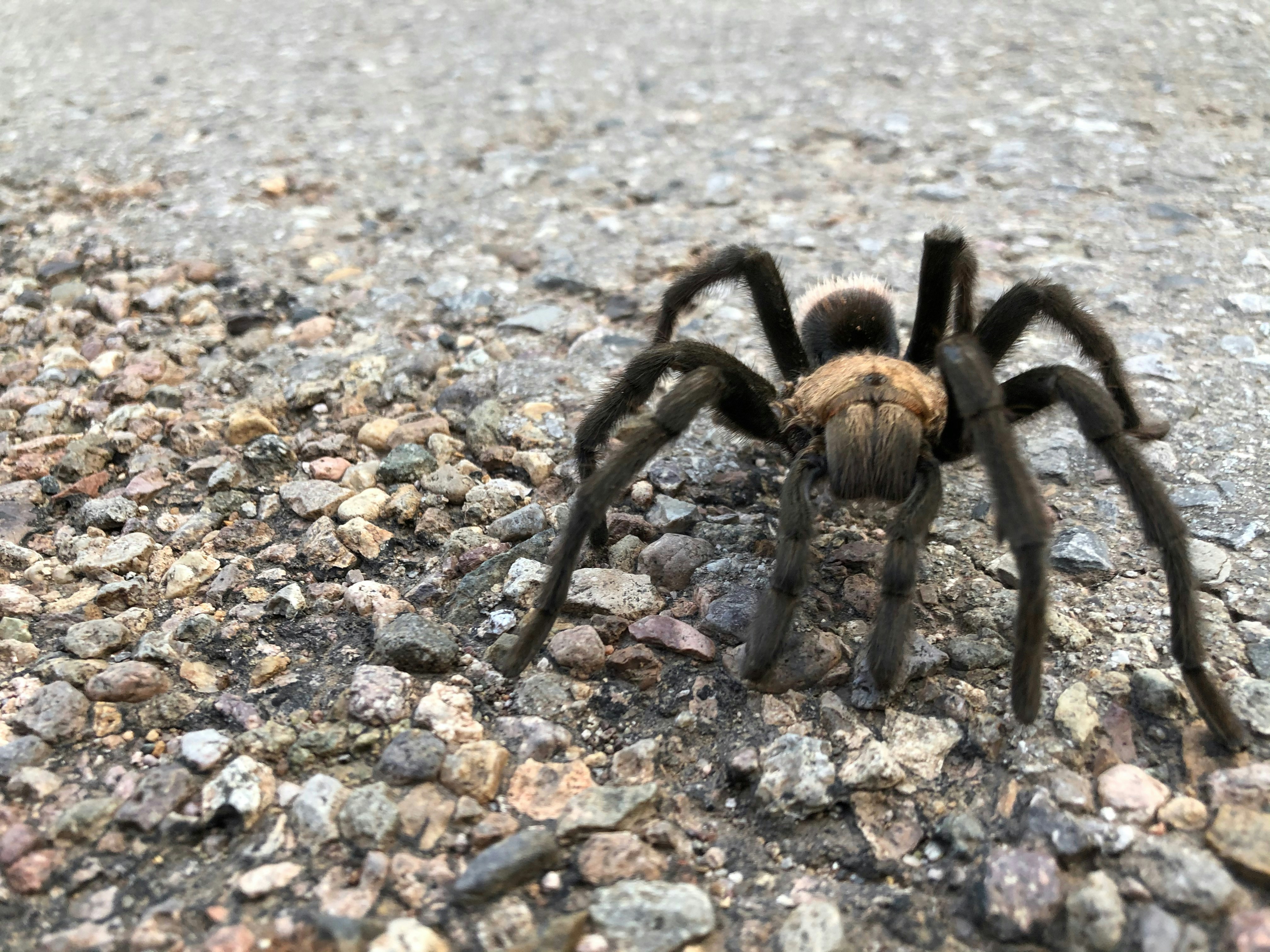
Fried tarantula is associated particularly with Skuon in Cambodia, where a cooked spider may be seasoned with salt, sugar, garlic or chilli and eaten for its crisp legs and softer body. The food has a specific local history, including accounts of scarcity, but modern tourist demand can turn that history and a wild animal into theatre. If you choose to try one, use a registered restaurant or established food business that can identify the species and legal source. Ask whether the spiders are farmed or collected, how they are dispatched and prepared, and whether present harvesting is considered sustainable. Select a fully cooked portion and let staff explain which parts are normally eaten. Never handle a live tarantula, collect one yourself or accept a staged presentation that depends on distressing the animal. Venom, irritating hairs, pesticides, environmental contaminants and microbial risks cannot be judged from a photograph. Removing fangs is not a universal safety guarantee, and raw or inadequately processed spiders are not appropriate food. Arthropod proteins may present allergy concerns, particularly for some people with crustacean or mite allergy, although evidence varies by species. Anyone with a serious allergy should avoid uncertain products. Chew crisp pieces cautiously, check seasoning for other allergens and do not carry wildlife products across borders without confirmed permission. Notice whether the cookery offers flavour and texture beyond the recognisable silhouette. A worthwhile tasting should come with credible answers about source, preparation and local meaning. If those answers are absent, choosing another Cambodian dish is a more respectful encounter than purchasing a spider solely for a photograph.