Try Nordic Walking
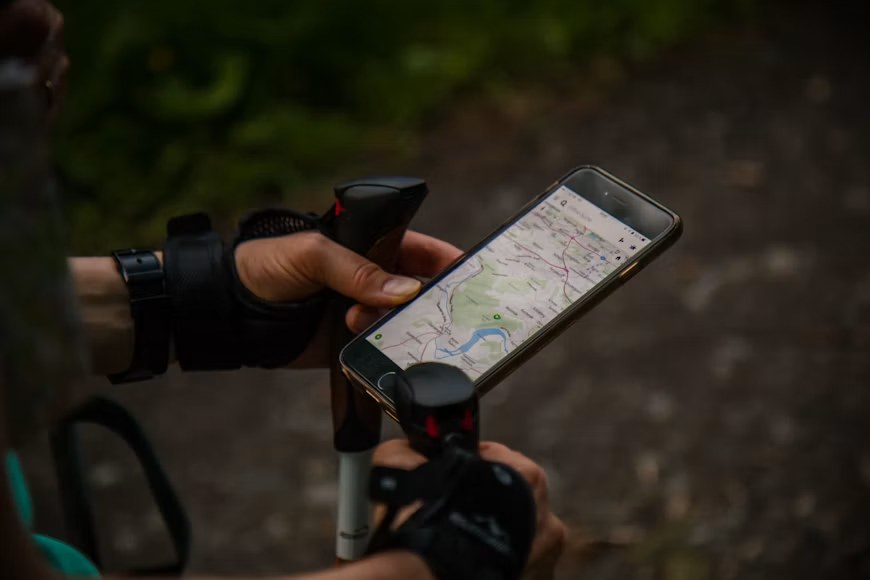
Nordic walking turns an ordinary walk into a coordinated, whole-body activity by using specially designed poles to help drive each stride. The movement follows the natural rhythm of walking: the opposite arm and leg move together, while the poles angle backwards rather than acting like two sticks planted in front. It works on parks, pavements and countryside paths, so the first attempt need not involve a mountain or a long trek. Start with a beginner lesson or introductory group led by a qualified Nordic walking instructor. You will learn how to adjust the poles and straps, stand tall, keep a natural stride, swing from the shoulder and release the grip as the hand passes behind the hip. Technique matters because simply carrying or tapping the poles misses much of the point. Many introductory sessions lend poles, which lets you test the activity before buying equipment. Choose a firm, reasonably wide route without heavy traffic or technical terrain while you are learning. Wear supportive walking shoes and clothing suited to the weather, attach rubber paws where hard surfaces require them, and leave enough space between walkers for the backward pole swing. Begin at an easy pace and stop if the movement causes pain. If a health condition, injury or balance problem affects your walking, ask the instructor about suitable adaptations before the session. Allow 45 to 90 minutes for the first experience, including instruction and practice. You have completed the activity when you can walk a short route using a comfortable diagonal rhythm, active pole push and relaxed hand release without repeatedly losing coordination. A single introductory session is enough to try Nordic walking properly; continue with a local group or independent routes if the technique makes everyday walking feel more engaging.