Visit an Active Volcano Safely
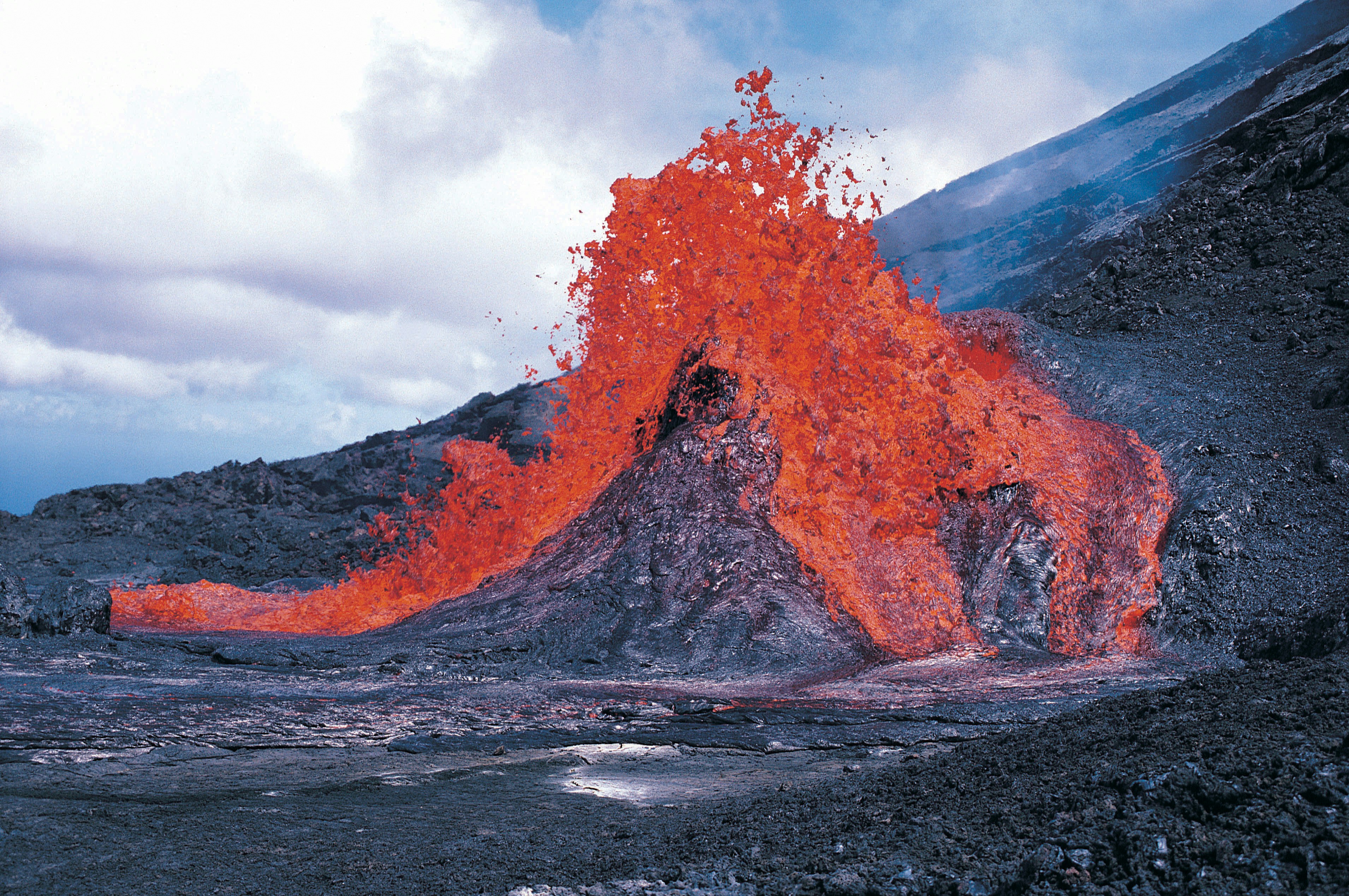
An active volcano makes the ground feel less permanent. Steam moves across old lava, new rock catches the light and the landscape shows, in plain view, that the planet is still being made. Choose a volcano with an officially open viewpoint or guided route and decide what counts before you travel. Seeing a crater, fumaroles or recent lava from a lawful distance is the experience; approaching an eruption or crossing a closure is not a more complete version of it. Read the observatory and park alert immediately before setting out, follow exclusion zones and leave if staff or conditions change. Volcanic gases, ash, unstable ground, heat, flying debris and rapidly changing weather can affect areas beyond the visible crater. Tell someone your route and confirm whether the chosen viewpoint has step-free access. Count this complete after observing an active volcanic landscape from an authorised place. Add it if you want geology to stop being an abstract subject and become a landscape you can hear, smell and remember without turning danger into the point.