Visit Easter Island
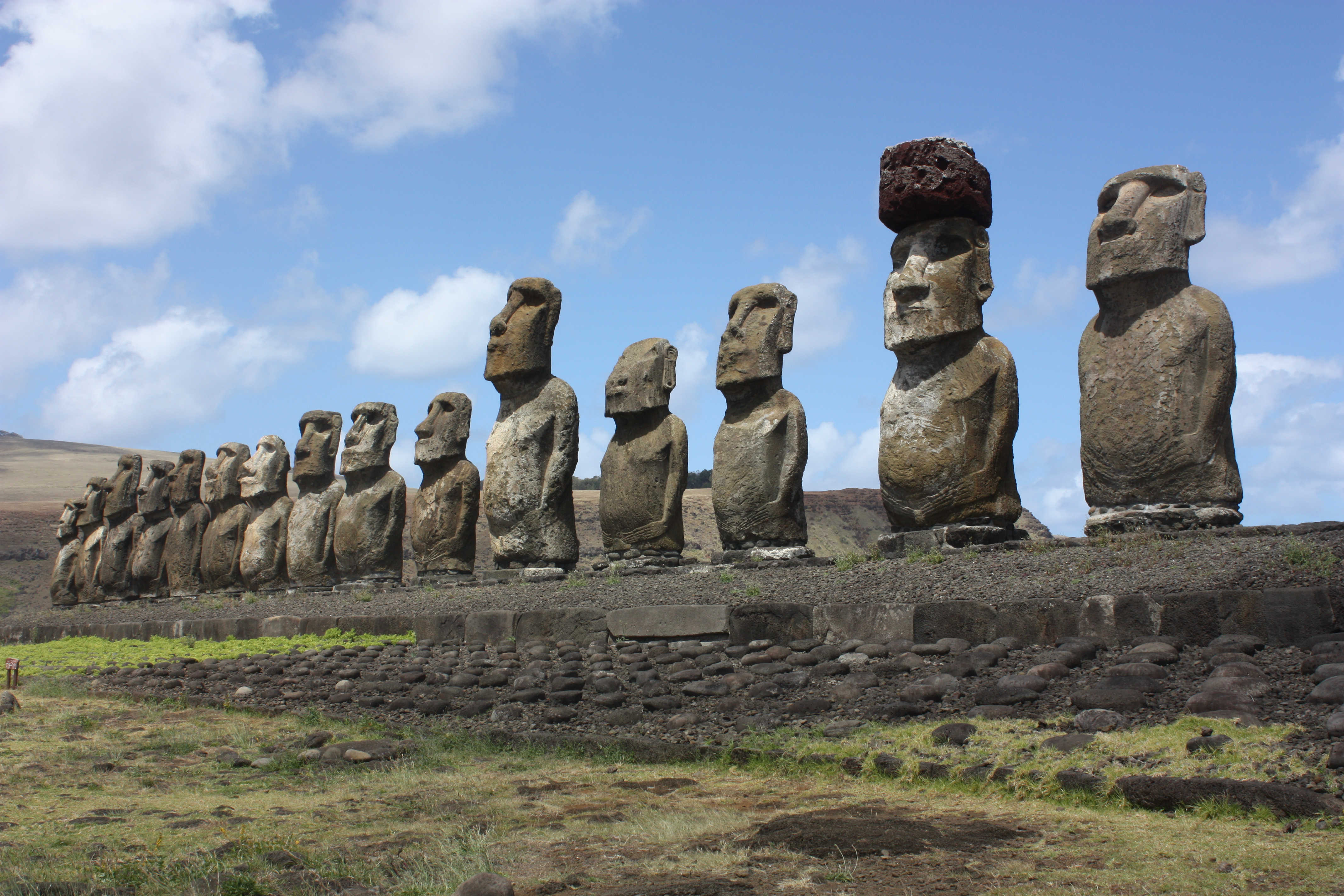
Rapa Nui can turn a familiar image—the moai—into a much deeper encounter with living culture, engineering and an island landscape shaped by volcanoes and ocean. The distance is part of the commitment, but the real reason to go is the chance to learn how the statues, ceremonial sites and modern Rapa Nui community connect. Allow at least three full days and visit contrasting places with an accredited local guide: a ceremonial platform such as Ahu Tongariki, the quarry at Rano Raraku, and a landscape or cultural site beyond the best-known statues. Leave time in Hanga Roa and listen to the guide's account rather than treating the island as a series of photographs. Rapa Nui National Park requires a park ticket and an accredited guide for protected sites, and entry to the island has additional documentation and accommodation requirements. Book flights, lodging and guiding well ahead, stay on marked routes, never touch or climb on archaeological remains, and plan for strong sun, wind and limited local resources. Count this as complete after a respectful multi-day visit that includes guided learning at several protected sites and time engaging with present-day Rapa Nui culture. The achievement is not merely reaching the island, but leaving with a more informed understanding of the place and its people.