Visit the Galapagos Islands Responsibly
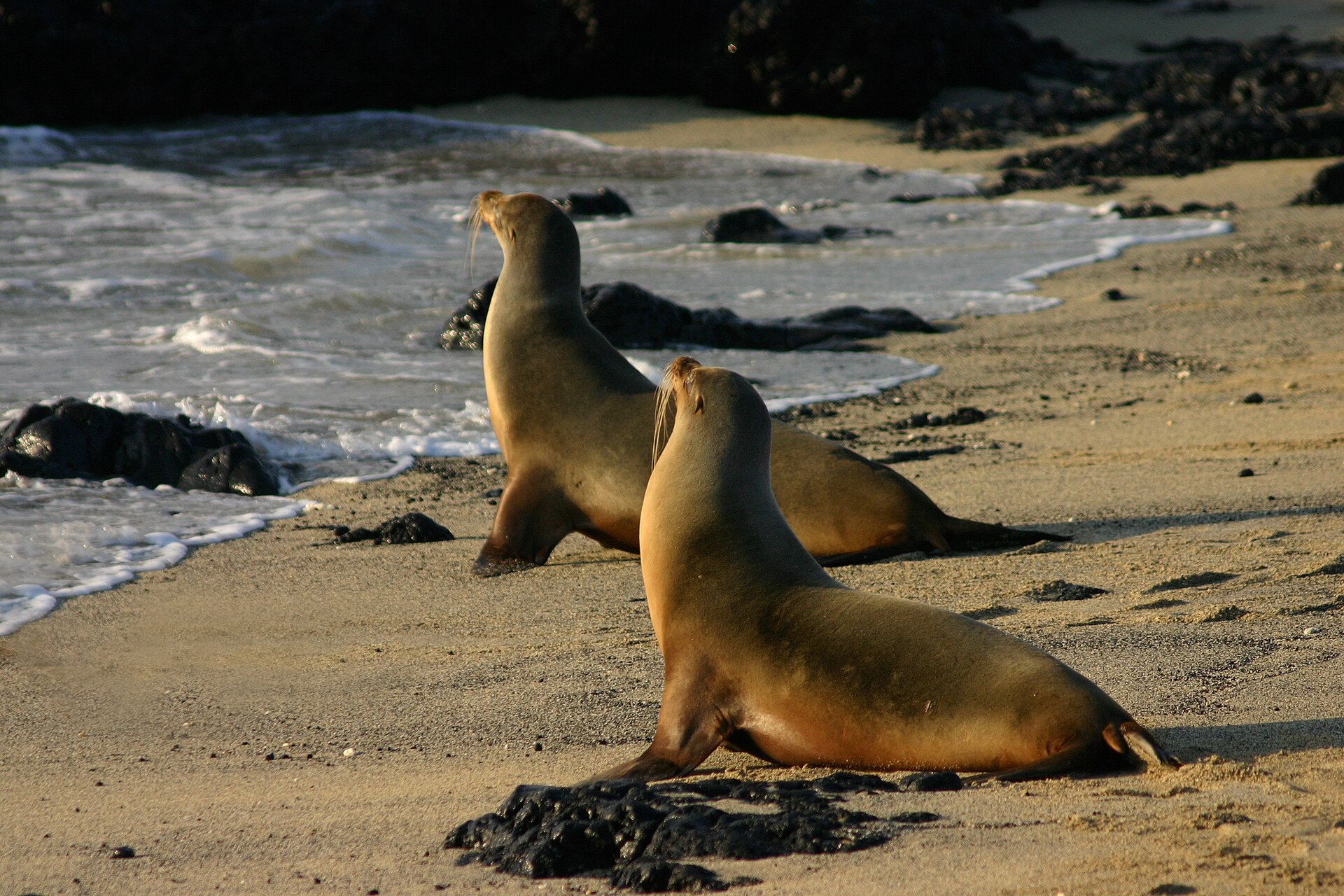
In the Galapagos, wildlife changes the usual distance between observer and animal. A sea lion may sleep beside the path, marine iguanas gather on black lava and finches move through scrub that helped turn careful observation into a new account of evolution. Choose an itinerary for depth rather than species count. A land-based stay can connect inhabited islands and local life; a small authorised vessel reaches more remote visitor sites. In either case, let the naturalist guide slow the group down, and treat what does not appear as part of a living place rather than a failed sighting. Check current Ecuador and Galapagos entry rules before booking. Foreign visitors need evidence of accommodation and return travel, a transit control card and travel health insurance; the national park also charges a conservation entry fee. Use authorised services, remain on marked trails, stay at least two metres from wildlife, never touch or feed animals, remove nothing and follow biosecurity rules. Flights usually connect through mainland Ecuador, so check advice for the transit airport as well as the islands. Count this complete when you have visited under park rules and can explain one relationship between an animal, an island and its habitat. Add it when you want wonder to be inseparable from restraint, with the privilege of seeing wildlife matched by the responsibility to leave it undisturbed.