Visit Haddon Hall, Derbyshire
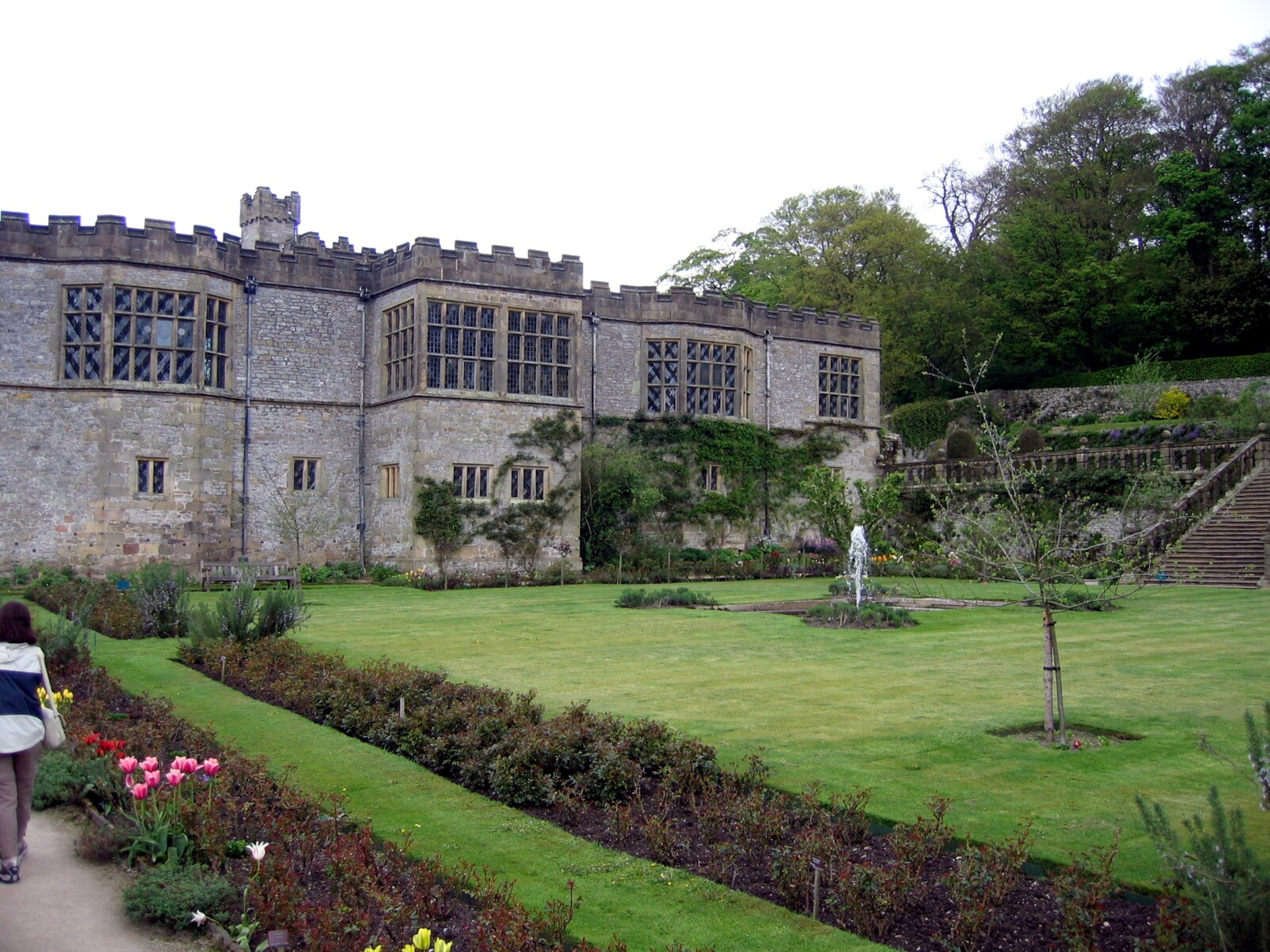
Walk into Haddon Hall’s lower courtyard and the appeal is immediately physical: weathered stone, climbing roses, uneven flags and towers gathered tightly around you. Inside, the route passes through rooms that still feel convincingly medieval and Tudor rather than polished into a later country-house style, before opening onto terraced gardens above the River Wye. It is the sort of place where doorways, staircases and old surfaces reward slow looking. The Grade I-listed hall has fabric dating back to the 12th century, with much of its two-courtyard form developed during the 14th and 15th centuries. Look for the Great Hall’s medieval screen, the surviving early kitchen fittings, the chapel and the light-filled Long Gallery. Haddon remained in the Vernon family and then passed by marriage to the Manners family, while long periods of limited use helped it avoid many Georgian and Victorian alterations. Its unusually intact rooms have also made Haddon one of Britain’s most recognisable screen locations. Productions filmed here include Wolf Hall , The Princess Bride , three versions of Jane Eyre , Pride & Prejudice , The Other Boleyn Girl , Mary Queen of Scots and Firebrand . You may recognise the architecture before you can place the scene; specialist film tours sometimes explain how crews turn the Hall and grounds into different historical settings. Allow at least two hours for the house and gardens, and check current opening dates and ticket arrangements because public access is seasonal and events can change the normal timetable. The approach includes a walk from the car park, a road crossing, numerous steps, uneven floors and areas without handrails, so read the detailed access statement before travelling if mobility is a concern. Bring only a small bag and wear shoes suited to old stone. Completion means exploring both the Hall and its terraces, with time to identify at least one room or view that has earned a second life on screen.