Visit Mauritius
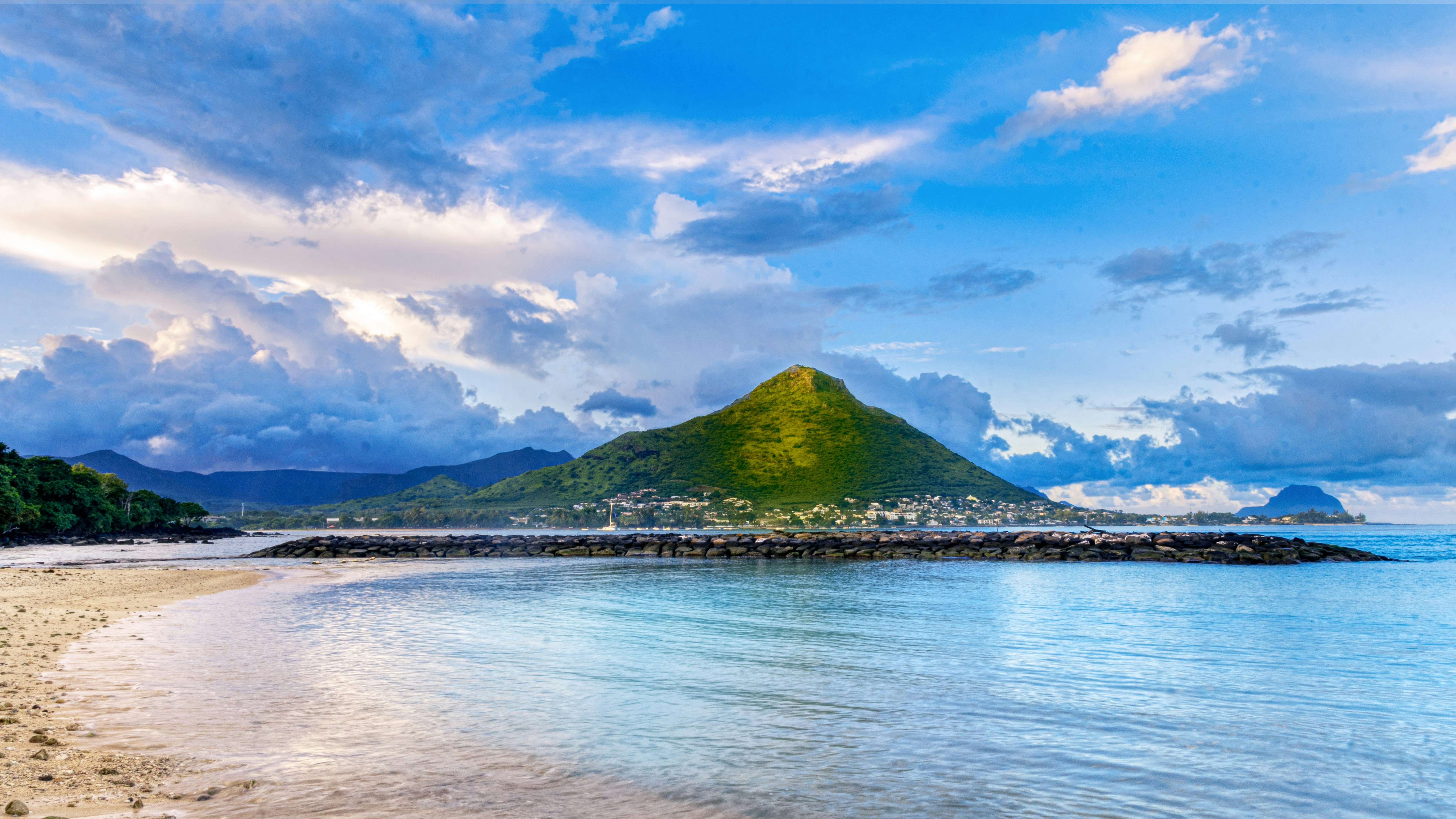
Swim in a warm lagoon in the morning, eat dholl puri from a roadside stall at lunch, then head inland towards forested mountains, waterfalls and old sugar estates. Mauritius is easy to picture as a beach destination, but staying behind the resort gates misses much of what makes the island interesting. Le Morne rises above the reefs of the south-west, Black River Gorges protects some of the country's remaining native forest, and Port Louis brings markets, street food and a very different rhythm from the coast. The island's culture reflects centuries of migration, colonial rule, slavery and indentured labour. At Aapravasi Ghat in Port Louis, more than 460,000 indentured migrants passed through the immigration depot between 1834 and 1920, predominantly arriving from India to work on sugar plantations in Mauritius or elsewhere in the British Empire. Le Morne has a different history: the mountain and surrounding landscape became associated with enslaved people who escaped and formed maroon communities, and it is now one of Mauritius's UNESCO World Heritage Sites. Those histories help explain the mixture of African, Indian, European and Chinese influences found in Mauritian food, language and religious traditions. Give yourself around a week if you mainly want beaches and a few excursions, or ten days to two weeks if you want to explore properly. Mauritius has a subtropical climate and can be visited throughout the year, although the drier period around September to November is particularly useful for combining beaches with hiking and exploring inland. Hire a car or arrange day trips rather than staying in one resort for the entire visit, and leave enough unplanned time for swimming, eating and finding places that weren't already on the itinerary. Add Mauritius to your list and see the island beyond the stretch of sand outside your hotel.