Visit Mount Rushmore and Learn Its Full History
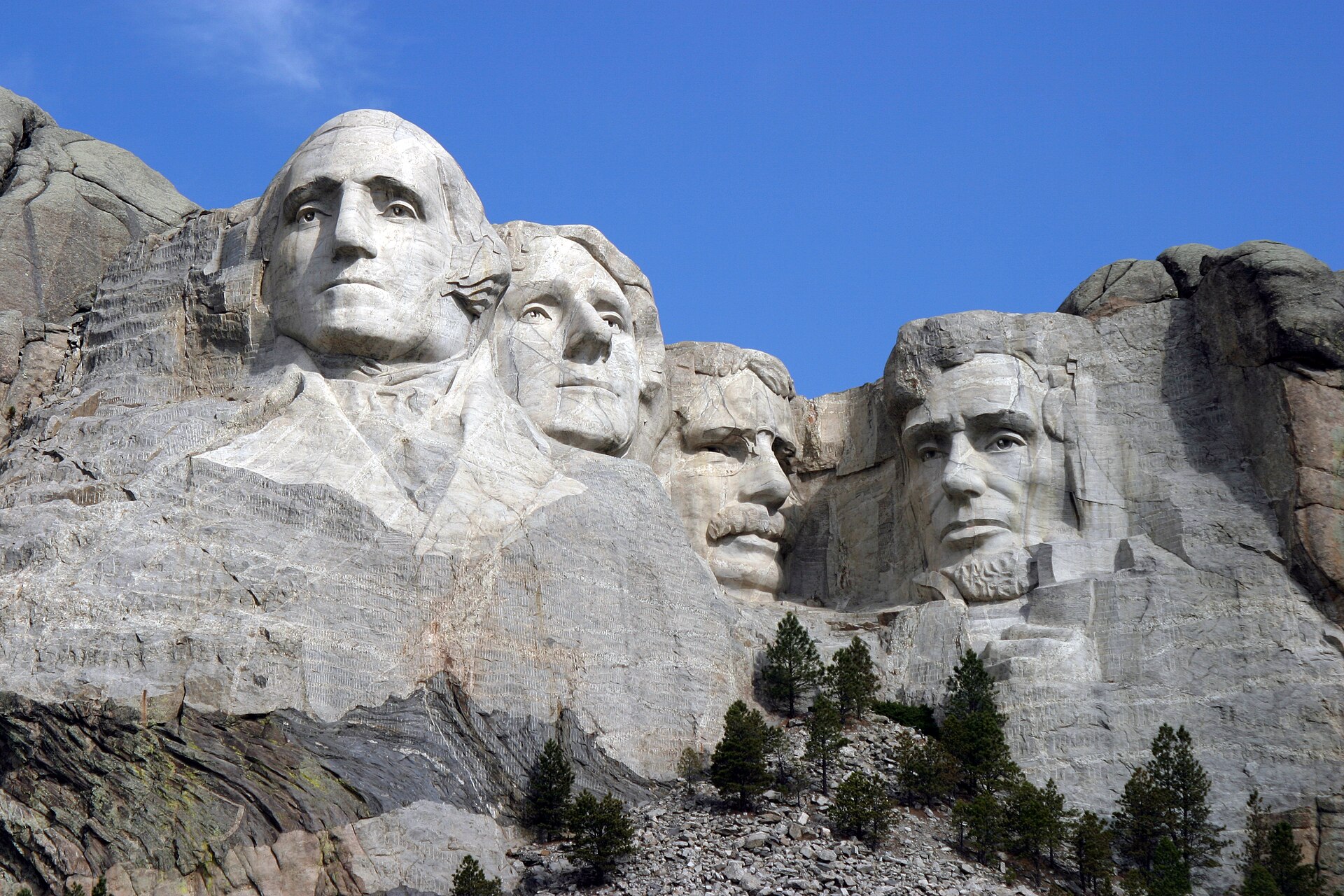
Mount Rushmore first appears as pale faces high above the pines, familiar from photographs yet startling in scale. The granite carving is only one layer of the Black Hills, a landscape that has held spiritual and cultural importance for Indigenous nations for generations. Give the visit room for both engineering and argument. See the sculpture from Grand View Terrace, follow the museum or audio interpretation, and learn how the work was carved, why those presidents were chosen, and why the United States' seizure of the treaty-recognised Lakota homeland makes the memorial contested as well as celebrated. No reservation or entrance fee is normally required, but the concession parking charge, opening hours, weather and road conditions should be checked before travel. Summer is busiest. Accessible parking, lifts, wheelchairs, toilets, captioned films and a surfaced section of the Presidential Trail are available; the remaining trail includes 422 stairs, and sign-language interpretation needs advance notice. Count this complete when you have looked beyond the famous viewpoint and can explain both the achievement in the stone and the history of the land around it. Add it when you want an American landmark that rewards curiosity rather than a quick photograph.