Visit Ngorongoro Conservation Area in Tanzania
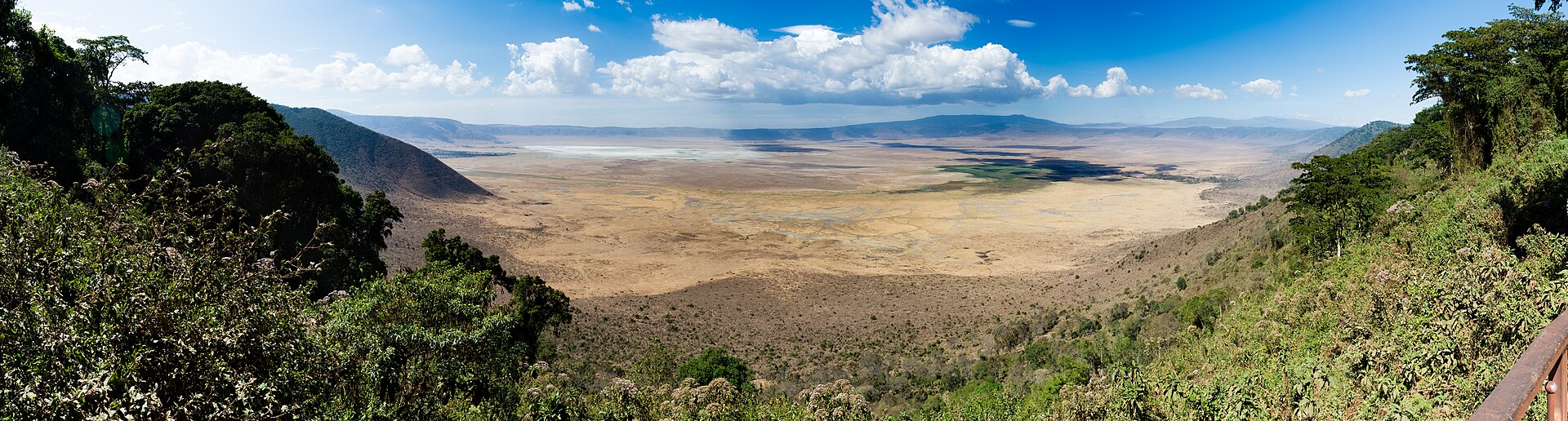
The first view into Ngorongoro Crater is a lesson in scale: a green floor far below, a pale lake catching the light and animals reduced to moving marks until the descent road brings the whole living landscape closer. A responsible visit is usually built around an early crater drive with a licensed guide, then time elsewhere in the wider conservation area to understand that this is not an enclosed safari park. Wildlife conservation, geology and the lives of resident Maasai communities meet here, and each deserves more attention than a rushed list of species. Arrange permits, vehicle and accommodation through an established operator before arrival. Official gates open daily, with crater access ending earlier than the wider area, so timing matters. Follow ranger instructions, never leave the vehicle except where permitted, keep distance from wildlife and ask the operator about vehicle steps, seating, toilets, dietary needs and emergency evacuation; access is highly service-specific. Count this complete when you have visited under the conservation authority’s rules and can explain something about the crater beyond the animals you photographed. Add it for the rare chance to see geology, wildlife and human history occupying the same enormous frame.