Take a Responsible Wildlife Safari in Tanzania
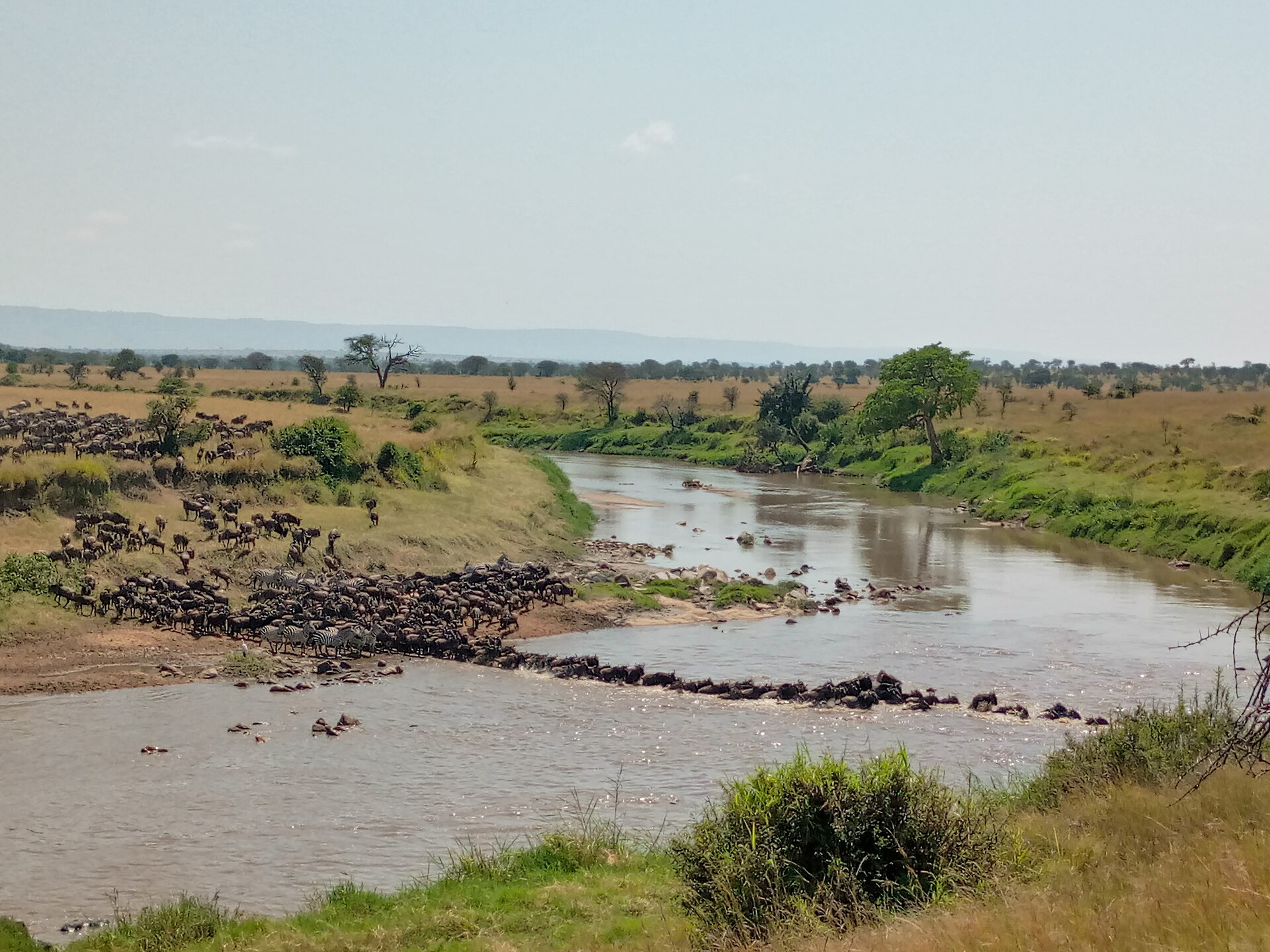
At first the grassland seems still. Then a line of wildebeest resolves from the heat haze, elephants move between acacias and a guide points out tracks you had taken for marks in the dust. A Tanzanian safari rewards patient looking: the landscape becomes busier the longer you learn how to see it. Choose an itinerary suited to season and habitat rather than promising a checklist of animals. Serengeti, Ngorongoro, Nyerere, Ruaha and other protected areas offer different ecosystems and distances. Wildlife remains wild, sightings are never guaranteed and migration timing moves with rain rather than a fixed calendar. Use a licensed, responsible operator with clear vehicle, guide, park-fee and welfare standards. Never ask a driver to crowd, chase, feed or leave authorised routes for an animal. Follow health and travel advice, bring sun protection and layers, keep hands inside vehicles, and discuss mobility needs because vehicle access and camps vary widely. Count it complete after a guided drive or lawful walking safari in which you observe wildlife without changing its behaviour. Add it if you want the memorable moment to be more than proximity—a morning when patient attention reveals how animals, weather, grass and skilled local knowledge fit together.