Visit the Everglades in Florida, USA
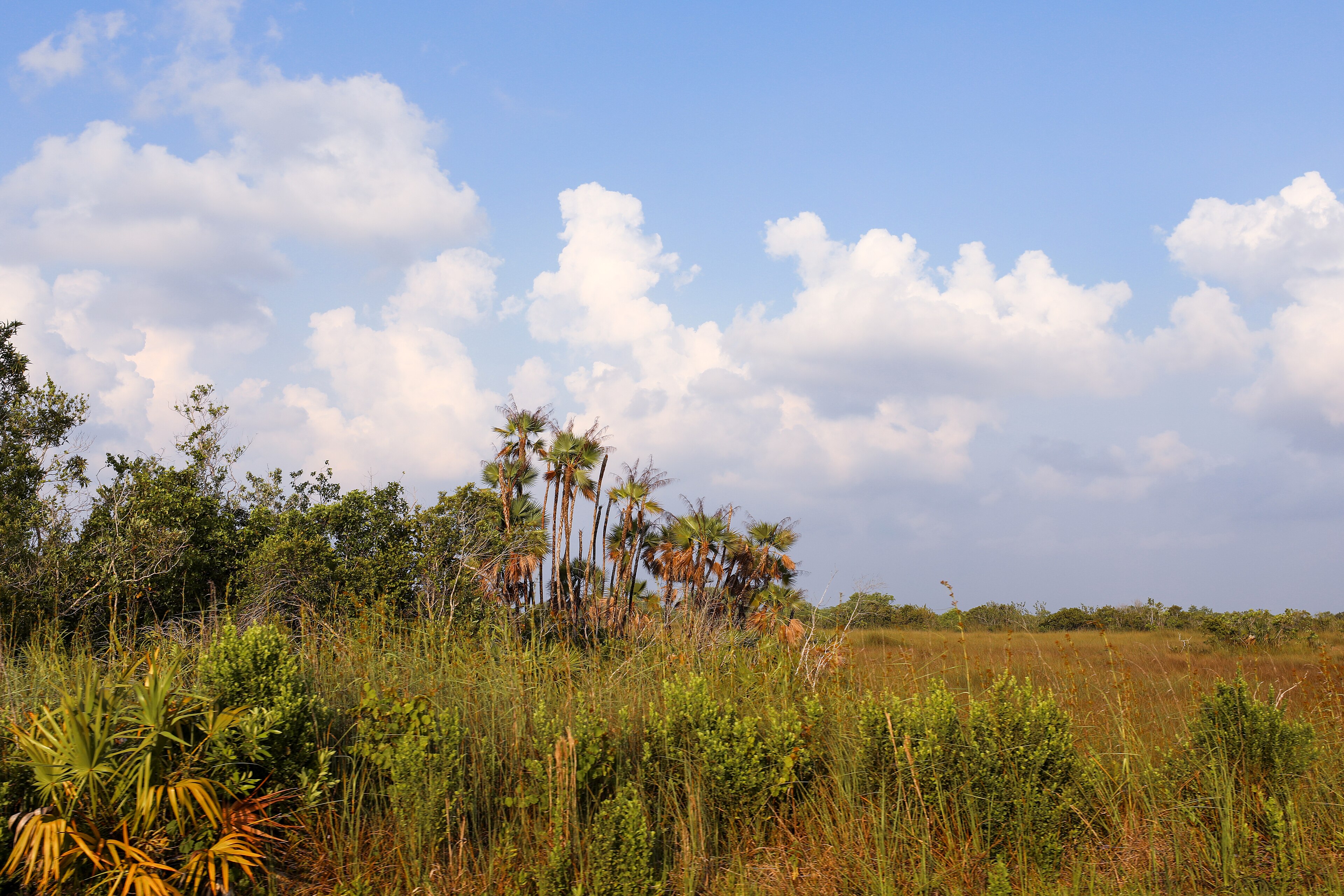
At first the Everglades can look almost level and still. Then an alligator's eyes break the water, a heron lifts from the sawgrass and the slow movement of the whole landscape becomes visible. This is not simply a swamp but a broad river moving south, shallow enough for tiny changes in elevation to decide where trees, marsh, mangroves and wildlife can live. Choose an entrance for a particular experience because the park's three main entrances do not connect by road. Shark Valley suits cycling or the tram through open sawgrass; Royal Palm and the Homestead route lead towards pinelands, sloughs, Flamingo and Florida Bay; Gulf Coast is the gateway to mangrove waterways. A full day is useful, and two days reveal more than one ecosystem. Check current National Park Service hours, fees, closures and water conditions before leaving. Heat, lightning, mosquitoes, sun and wildlife require water, protection and distance; never feed or approach animals. Paddling needs route-specific planning and safety equipment, while accessible routes and services differ by entrance and can be affected by weather or maintenance. Count this as complete after entering Everglades National Park and spending enough time on a trail, tram, bicycle route or authorised water route to notice how water shapes the wildlife around you. An airboat outside the park may be enjoyable, but it does not by itself complete a visit to the national park.