Visit the poles
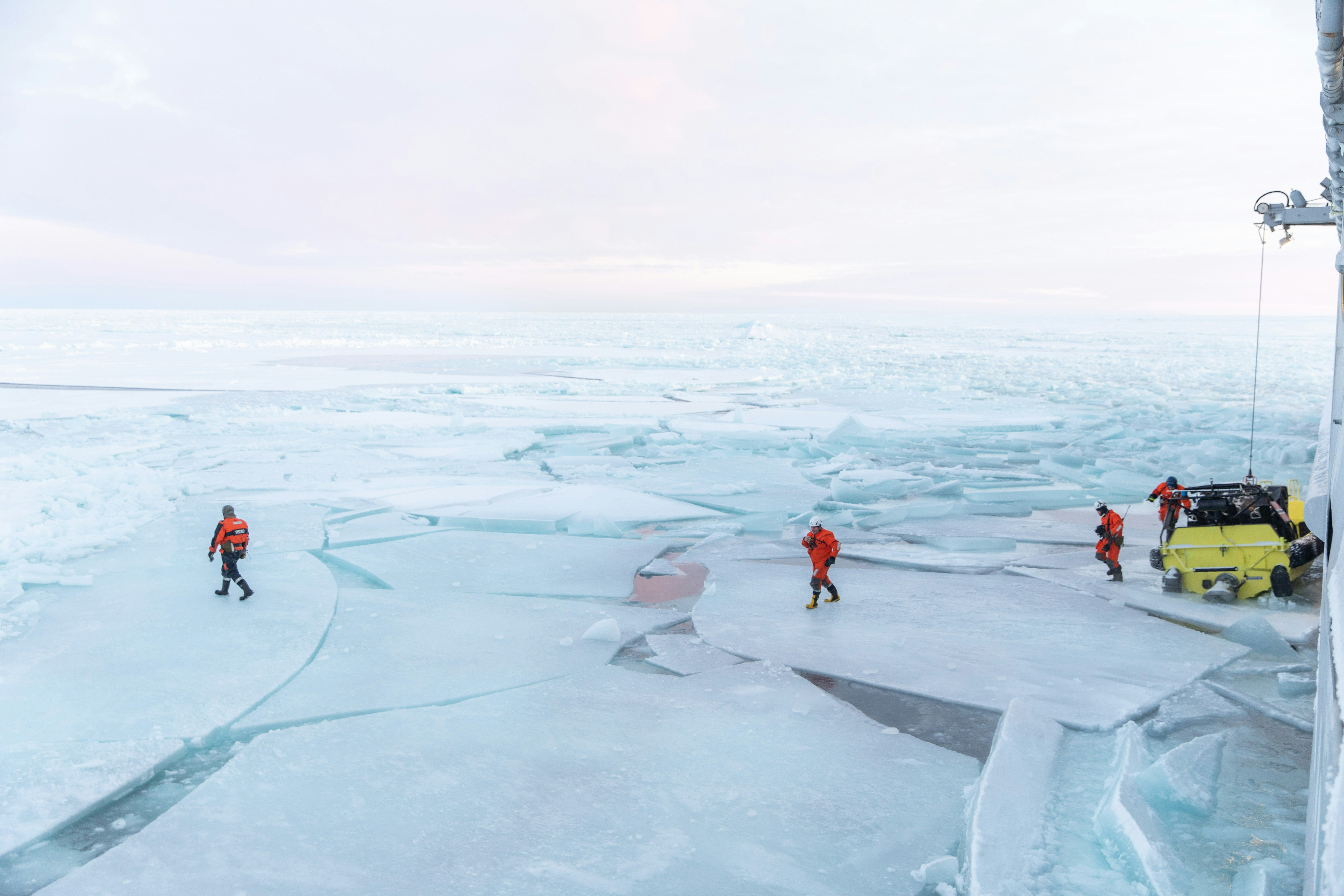
Stand at the top of the world, then travel as far south as it is possible to go. Visiting both the Geographic North Pole and Geographic South Pole means reaching 90°N and 90°S, two points with almost nothing in common beyond their position on a globe. The North Pole sits on drifting sea ice over the Arctic Ocean; the South Pole lies on a vast Antarctic ice sheet roughly 2,800 metres above sea level. At each one, every direction away from you is south or north respectively. These are expedition destinations rather than conventional holidays. Reaching the North Pole normally involves specialist icebreaker or expedition travel through the Arctic Ocean, while tourist visits to the Geographic South Pole typically involve flying deep into Antarctica from a logistics base such as Union Glacier. At the South Pole, all lines of longitude meet within a few steps, while the ceremonial pole and nearby Amundsen-Scott South Pole Station connect the experience with more than a century of polar exploration and modern scientific research. Doing both requires serious money, advance planning and flexibility. Current commercial South Pole fly-in trips alone are priced at more than US$66,000 per person and run during the Antarctic summer, while reaching the North Pole is similarly dependent on a small number of specialist expedition departures and changing sea-ice conditions. Build each pole as its own expedition rather than trying to combine them into one journey, use experienced polar operators, and expect weather to dictate the final schedule. Add this to your list and stand at both ends of the Earth.