Work at a Polling Station
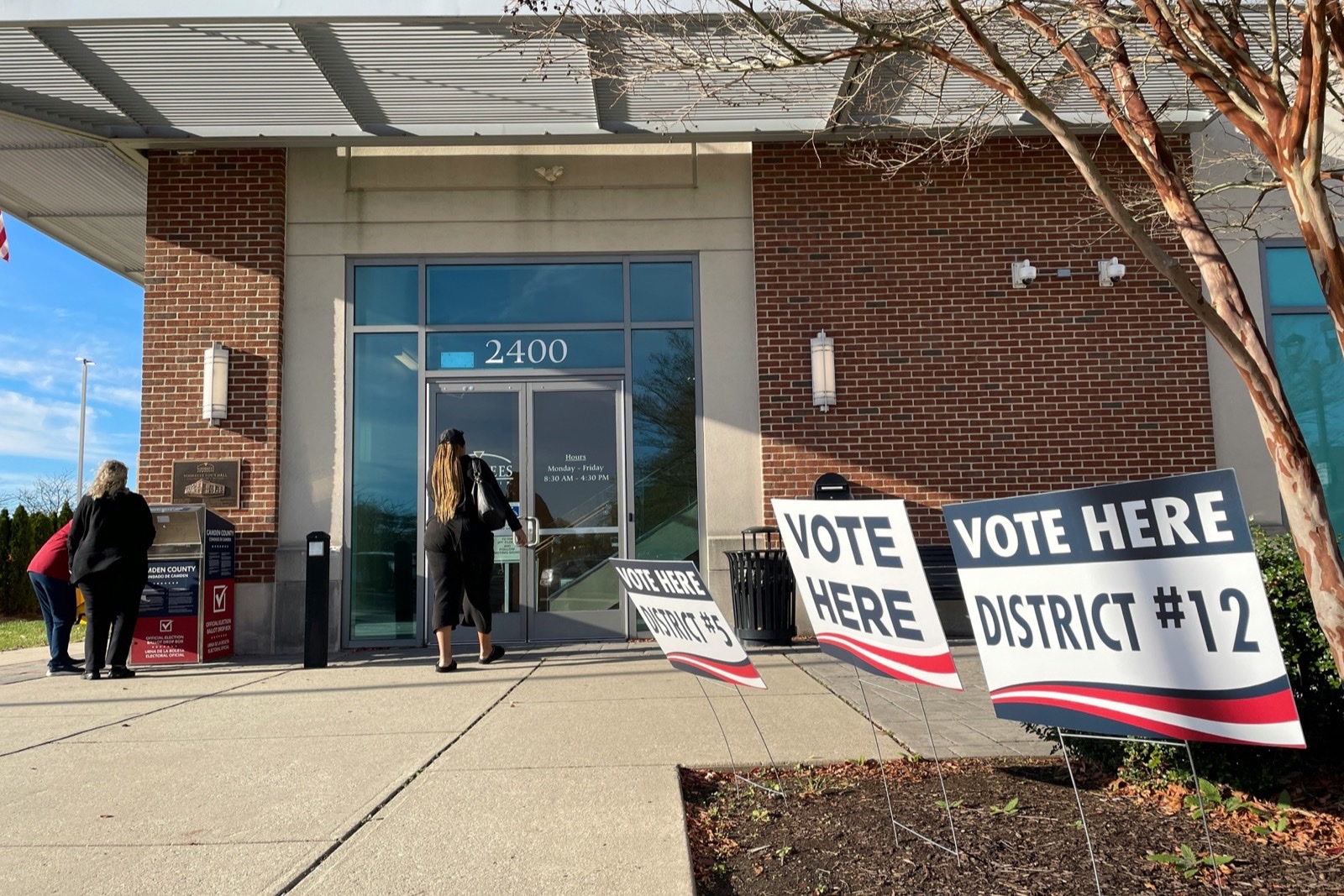
Arrive before the doors open, help prepare the room and spend election day making sure each voter receives the right ballot paper. Polling-station work combines public service with careful administration: names must be checked, documents handled correctly and the same impartial welcome offered from the first voter to the last. Polling staff are normally temporary paid workers recruited by a local authority or returning officer, not party volunteers. Roles can include poll clerk or presiding officer, with training before the poll and a very long working day. Staff must protect ballot secrecy, follow procedures exactly, support disabled voters appropriately and remain politically neutral throughout the shift. Contact your council's electoral services team well before an expected election and ask how it recruits. Read the role description carefully, including eligibility, training, hours, transport and whether you may also be asked to work at the count. Declare political activity or relationships when required. The work can involve prolonged sitting or standing, repetitive checking and periods of intense pressure, so discuss adjustments in advance rather than improvising on polling day. Bring suitable food, water and layers of clothing, but follow instructions about personal devices and materials in the polling place. Precision matters more than speed. Add this to your list if you want to see election administration from inside the room and contribute to a process that depends on calm, consistent work.