Write a Poem
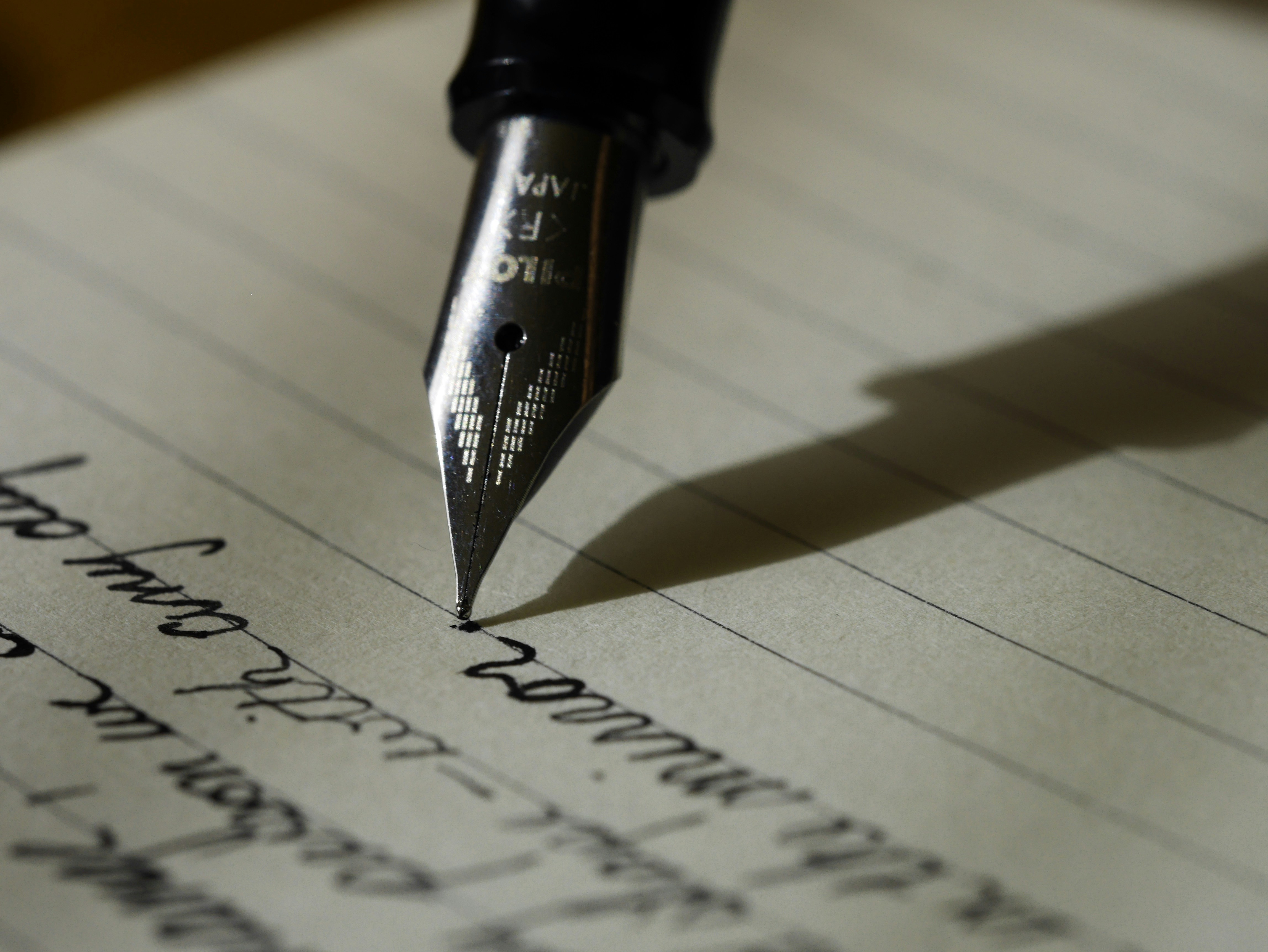
Start with a line that interests you and see where it goes. A poem can begin with an image, a memory, a joke, a rhythm, an argument or a sentence you simply like the sound of. You do not need to know where it will end before you begin. Part of the pleasure is discovering what the words are doing as you arrange them, cut them back, change their order and read them aloud. Poetry gives you unusual freedom with language. It can rhyme, but it does not have to; it can follow a strict form such as a sonnet or haiku, or ignore formal structure completely. What matters is attention: choosing one word instead of another, noticing rhythm, deciding what to leave unsaid, and finding a shape that suits what you want to express. Reading other poets helps because it shows how differently the same tools can be used. Begin with something manageable. Write about a place you know, a person, an object on your desk, something that irritated you today, or a memory you can still picture clearly. Draft quickly, then come back and edit once you know what the poem is trying to become. You can keep it private, share it with someone, perform it aloud or submit it somewhere if you want to take it further. Add this to your list and turn a blank page into something that could only have come from you.