10 Things You Should Know Before Adopting a Pet
They may well be furry balls of fun, but it's not always smooth sailing.
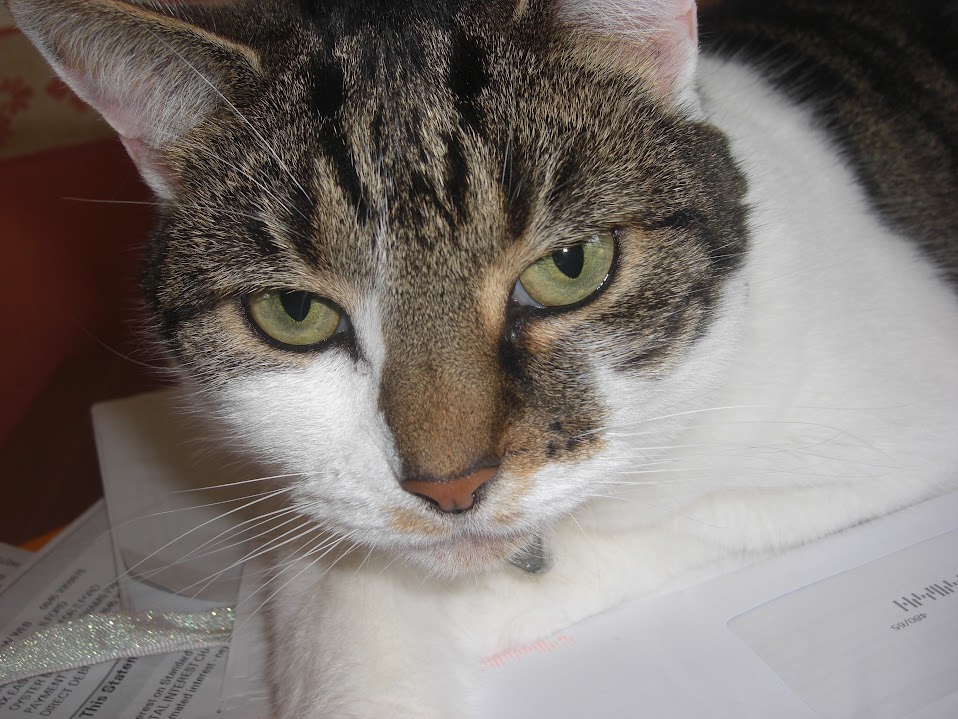
Adopting a pet is one of those decisions that sounds simple and wholesome… right up until you’re panic-Googling “why is my cat making that noise at 2am” or “how to get gerbil pee out of carpet.” Don’t get me wrong — it’s also one of the most rewarding things you’ll ever do. I adopted a cat called Margaret Amelia (we call her Maggie, obviously), and she was chaos, company, and comfort in equal measure. But there are some things I really wish I’d known before we brought her home. Whether you’re thinking about a cat, dog, rabbit, or anything with a heartbeat and a food bill, here’s a list of what you should know before you adopt — good, bad, and occasionally hairy. Adoption isn’t second best There’s still a weird misconception that rescue animals are “damaged” goods. Ignore that. Animals end up in shelters for all kinds of reasons — from housing issues to allergies to someone’s new landlord being a Grinch. You’re just as likely to get a healthy, happy pet as you are from a breeder, and you’ll be saving a life in the process. In the UK, check out RSPCA, Blue Cross, Cats Protection, or Dogs Trust — they all do brilliant work. There will be costs — some expected, some sneaky Yes, adoption is cheaper than buying. But it’s not free. There’s an adoption fee (usually £50–£200), and that often includes vaccinations, microchipping, spaying/neutering. But then there’s everything else — food, toys, insurance, vet check-ups, flea treatments, and 3am emergency calls when you think they’ve eaten something weird. Budget properly. You’ll thank yourself later. It’s a long-haul commitment A pet is not a phase. Even a small animal like a guinea pig can live 7 years. Cats can hit 20. Some parrots live longer than most houseplants. If your lifestyle’s likely to change soon (moving, working away, kids, partner with allergies), wait. Your future pet deserves stability. Shelters know what they’re doing — listen to them Rescues aren’t trying to be difficult when they ask about your lifestyle, home, or experience. They’re matchmaking. They want to place animals where they’ll thrive. If they say a dog’s not right for your third-floor flat with no garden, they’re not judging — they’re helping. Your home needs some prep Even before they arrive, you’ll need to do a sweep. Loose wires? Block them. Toxic houseplants? Move them. Gaps behind furniture? Seal them. You’re not just getting a pet — you’re getting a curious, mobile fuzzball with no concept of personal property. Maggie once climbed inside the fridge. We’re still not sure how. Personality matters more than breed A Jack Russell might sound cute until it’s sprinting laps around your living room and eating your skirting board. Choose a pet that matches your energy, not just your aesthetic. Most good shelters will let you meet the animal a couple of times before committing. Take them up on that. Behaviour takes work (but it’s worth it) Shelter animals might come with quirks. Some are anxious. Some weren’t properly socialised. Some just need time. Be patient. Training and consistency go a long way — and many rescues offer support or behaviour advice post-adoption. Maggie ignored us for days, then settled in like she owned the place. Expect a few no’s before a yes You might not get approved for the first animal you apply for. That’s okay. It doesn’t mean you’re a bad future owner. Shelters get loads of applications, and sometimes it's about timing, or the right fit. Stick with it. The right match is worth the wait. You’re not adopting a toy. You’re getting a housemate They’ll change your routine. Your furniture. Your sleep. Your schedule. But also, your mood, your loneliness, your stress levels, your sense of purpose. It’s weird how quickly something with four legs becomes a part of your family — and your WhatsApp photos. You’ll never regret saying yes It might be messy. It might cost more than you expect. But adopting a pet means giving a home to something that needs one — and getting years of companionship back. Maggie was supposed to be “just a cat.” She’s became the boss of the house, and I wouldn’t have had it any other way. Thinking of adopting? Start by researching reputable UK shelters, make sure your home and schedule are ready, and then trust the process. It’s not always easy, but it’s absolutely worth it. And if you’re ever stuck choosing a name… double-barrelled Victorian is always a good shout. Maggie agrees.