How to make a bucket list you’ll still care about in five years
Forget the enormous list of borrowed holidays and obligatory skydives. Here’s how to choose 42 things that genuinely belong to you, then start doing some of them.
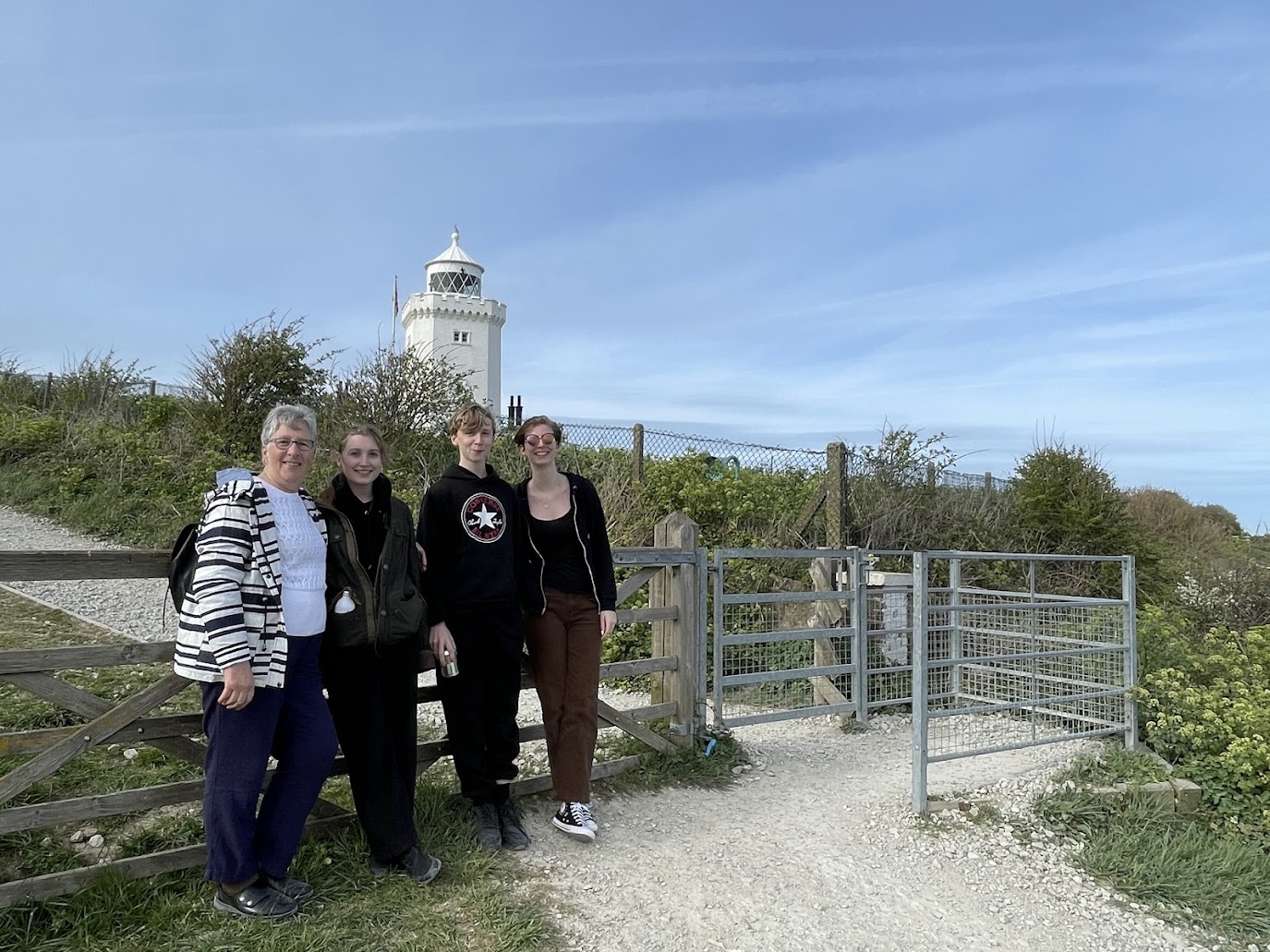
There’s a fairly standard bucket list available on the internet. It includes seeing the Northern Lights , going on safari , visiting Japan and jumping out of a perfectly serviceable aeroplane . None of those is a bad idea, but if you build your list by copying what everybody else has written, you’ll eventually notice that you’ve created a very expensive itinerary for somebody you’ve never met. A good bucket list isn’t a test of how adventurous, cultured or well-travelled you appear to be. It’s a way of recording the things that genuinely interest you before everyday life distracts you with another load of washing, an MOT and whichever password you’ve forgotten this week. Here’s how to make one that still feels like yours once the initial burst of enthusiasm has worn off. Start with what you want more of Asking yourself what you want to do before you die is quite a dramatic place to begin. It puts an unreasonable amount of pressure on a blank page, particularly if you’re attempting this while eating toast. Try asking what you’d like more of instead: more time outside, more stories involving your children, more confidence, more live music, more reasons to visit somewhere unfamiliar or simply more afternoons that don’t disappear into your phone. Those answers are far more useful than immediately searching for “500 bucket list ideas”. If you want to spend more time with somebody, your list might include taking them to the place where you grew up or learning something together. If you miss being creative, it could mean joining a pottery class , writing a short story or finally learning what all the buttons on your camera do. Photo: Glen Ocsko Don’t make it entirely about travel Travel belongs on a bucket list if travel matters to you, but it doesn’t need to colonise the whole thing. Research published by Stanford Medicine found that people’s lists also commonly included personal goals, family relationships, financial security and daring activities. Apparently human ambition is rather broader than airport departures, even if most bucket list articles haven’t noticed. Try spreading your ideas across a few loose categories. You might include adventure, learning, creativity, relationships, contribution, food, culture and straightforward fun. The categories are there to prompt ideas, not to create another spreadsheet you’ll feel obliged to colour-code and then quietly abandon. Make it specific enough to do “Travel more” isn’t a bucket list item. Neither is “learn something”, “be healthier” or “go somewhere interesting”, although all four may be perfectly good starting points. A useful item is specific enough that you can picture the experience and recognise the moment when you’ve actually done it. “Visit Italy” could become eating proper ragù in Bologna, seeing an opera in Verona or learning to make pasta without producing something with the structural integrity of wallpaper paste. “See more culture” might become visiting a particular gallery or working through the major museums in London . A country can contain hundreds of possible experiences, and you probably don’t want all of them. Include things you can do this year If every item requires six months of planning, a long-haul flight and a small inheritance, your list will spend most of its life sitting still. Keep the enormous ambitions, but mix them with experiences that can happen this month, this weekend or after work. A bucket list should occasionally help you decide what to do on Saturday, rather than merely describing a richer and better-organised future. This doesn’t mean padding it with chores so you can enjoy crossing things off. The smaller ideas should still feel memorable or interesting to you. A local walk, an evening class or taking somebody to a place you love can earn its position without pretending to be Machu Picchu. Use the nobody-is-watching test Ask whether you’d still want to do each thing if you couldn’t tell anyone about it or post a photograph afterwards. This is mildly uncomfortable, which is why it’s useful. It separates experiences you genuinely want from the ones you’ve absorbed because they look impressive in other people’s lives. There’s nothing wrong with popular ideas. The Northern Lights don’t become less spectacular because millions of people would like to see them. The question is whether they belong on your list, rather than whether the internet has appointed them compulsory. Why 42 things? There’s no scientific reason that a bucket list must contain 42 things. It is, however, the answer to life, the universe and everything, and it gives you enough room for variety without requiring you to manage 500 ambitions at once. Forty-two can include the huge, the local, the serious, the daft and the thing you haven’t quite admitted you want to try yet. You don’t need to find all 42 in one sitting. Start with five that feel like yours, then add ideas as they occur to you. Leaving some gaps is considerably better than filling them with scuba diving, running a marathon and climbing Everest simply because you’ve run out of imagination. Your list is allowed to change An idea isn’t a legally binding commitment to your former self. You can remove something that no longer matters, change its scale or replace it with something that better reflects your life now. That isn’t failure; it’s evidence that you’ve continued paying attention. There is a difference between losing interest and encountering the ordinary discomfort of doing something difficult. Only you can really decide which has happened. The list should challenge you occasionally, but it shouldn’t become a museum of ambitions you feel guilty about avoiding. Choose one and begin Once you’ve made a start, pick one thing you can move forward. Book it, research it, invite somebody, put money aside or work out the first practical step. Otherwise your bucket list risks becoming another beautifully maintained system for avoiding the actual activity. Photo: Glen Ocsko You don’t have to begin with the grandest item. Completing something modest will teach you more about what you enjoy than adding another hundred possibilities ever could. Your list can contain life-changing experiences, but it should also help you have a better Saturday. That, ultimately, is the test. Not whether the list looks impressive or includes every officially approved wonder of the world, but whether reading it makes you want to get on with living some of it. If it does, start your own list .