How to visit the Tower of London without spending half the day in a queue
The Crown Jewels are genuinely astonishing, the ravens are larger than expected and the food immediately outside is best regarded as another medieval punishment.
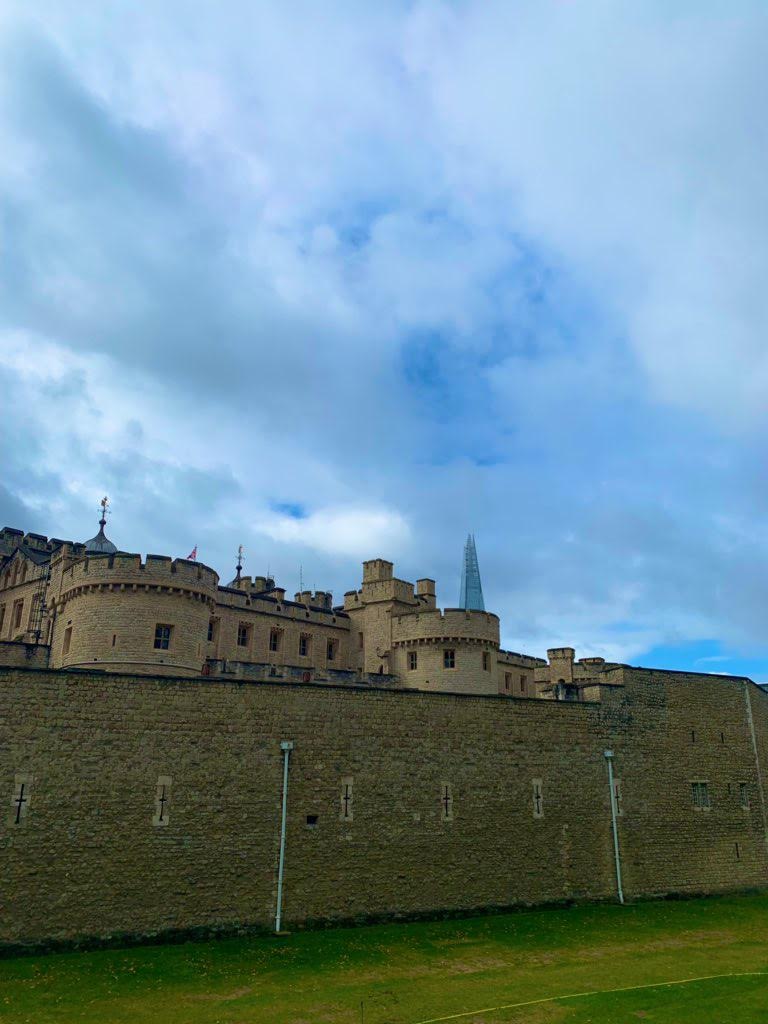
The Tower of London is one of those places which is easy to dismiss because it’s always there. You see it from trains, boats and the opposite side of the Thames, usually while going somewhere else, and eventually it becomes part of the London scenery rather than somewhere you might actually visit. This is a mistake, because the Tower is excellent. It’s also expensive, busy and capable of exhausting an entire family before lunch if you approach it without a plan. We’ve been several times, including during the years when we had Historic Royal Palaces membership. I’d joined after a trip to Hampton Court effectively locked me in: the tickets could be upgraded, the palaces were lovely and I pictured us casually dropping into several of them throughout the year like a family of unusually committed Tudors. In reality, I think we made it to Hampton Court or the Tower perhaps once a year, so it didn’t deliver quite the magnificent financial triumph I’d imagined. It was still nice having it, though. Photo: Glen Ocsko Get there early and go straight to the Crown Jewels If you’re visiting with children, book in advance and take the earliest entrance time you can reasonably manage. The Tower recommends online booking during busy periods, and there’s no magical fast-track route once you arrive: everybody goes through a bag check and popular exhibitions can have their own queues inside. Current standard admission is £37 for an adult and £18.50 for children aged 5–15, with under-fives free, although prices and available concessions should always be checked before booking . Once you’re through the gate, go directly to the Crown Jewels. Don’t stop for a leisurely family conference, don’t become distracted by the first cannon you see and don’t assume the queue will be equally manageable later. The jewels are bloody cool, partly because the famous crowns are surrounded by a much larger collection of ceremonial objects than you might expect. It’s an extraordinary display of gold, diamonds, history and the continuing human belief that an ordinary spoon becomes tremendously important if it’s used near a monarch. Photography isn’t permitted inside the Jewel House, which is probably for the best because it keeps the line moving and prevents everybody attempting 14 slightly different photographs of the same crown. At peak times the wait can become grim, particularly during school holidays, so seeing it first removes the biggest potential source of family mutiny. After that, you can explore at a more civilised pace. Don’t try to see absolutely everything A Tower ticket includes the Crown Jewels, White Tower, battlements, Medieval Palace, Bloody Tower, ravens and the Yeoman Warder tours, subject to what’s open on the day. That’s a substantial amount of castle, especially for children whose interest in the constitutional importance of a building may last slightly less time than their interest in a dragon made from armour. Photo: Glen Ocsko The Yeoman Warder tours are worth joining because they turn a large collection of old walls into stories about prisoners, executions, treachery and other dependable family entertainment. They’re included with admission and run regularly, although availability and timings can change. I’d then pick two or three other things according to the children involved rather than insisting upon a complete educational sweep of the site. The White Tower and its armour tend to work well for families, as do the battlements and ravens. There are steep and spiral stairs, cobbles, low doorways and dark interiors, so this isn’t a pushchair-friendly modern attraction cunningly disguised as an eleventh-century fortress. The accessibility information is worth reading in advance if anyone in your group has limited mobility, sensory needs or finds crowds difficult. Allow about three hours, perhaps longer if everybody remains interested. There’s no re-entry once you’ve left, so use the toilets before heading out and make sure nobody suddenly remembers an unseen raven while you’re halfway across Tower Bridge. Is Historic Royal Palaces membership worth it? Possibly, but be honest with yourself rather than the ambitious version of your family which exists while standing at a ticket desk. A current Family 2 membership covers two adults at the same address and up to six named children aged 5–15. It costs £125 by annual Direct Debit or £135 by card, with Family 1, Joint and Individual options also available. Membership provides unlimited standard admission to the Tower, Hampton Court Palace, Kensington Palace and Hillsborough Castle and Gardens, plus discounts, early booking and some member events. The full prices and benefits are listed by Historic Royal Palaces . For a family with several paying children, the numbers can look extremely convincing. Two adults and two children visiting the Tower currently cost £111 before any donation, while two adults and four children would cost £148. Membership can therefore pay for itself very quickly, particularly if you also intend to visit Hampton Court or Kensington Palace. The danger is buying membership for the family you plan to become. If Hampton Court is awkward to reach, the children are at an age when another palace produces audible groaning, or your weekends already disappear into sport and birthday parties, unlimited entry doesn’t automatically become unlimited visits. We liked having ours and the freedom to return without confronting another large ticket bill, but financially I’m not convinced we used it enough. My advice is simple: work out which two visits you’re genuinely likely to make in the next 12 months; if the membership wins on those, buy it, but don’t include six imaginary cultural outings undertaken by better-organised versions of yourselves. The Ceremony of the Keys is a separate visit The Ceremony of the Keys is the traditional nightly locking-up of the Tower, which has taken place in some form for around 700 years. It happens at 9.30pm and finishes at approximately 10.05pm, making it more suitable for older children unless yours are unusually enthusiastic about late-night military ceremony. This isn’t part of an ordinary daytime ticket and you won’t be able to hang around inside until it begins. Tickets are released online in monthly batches and sell out quickly. Historic Royal Palaces says the next month’s dates are normally released at 1pm on the first working day of the preceding month, except when that day is a Friday, when release moves to the following Monday. There’s no waiting list, tickets are non-refundable and non-exchangeable, the named person who booked must attend, and the current maximum is six tickets per booking. The official Ceremony of the Keys page is the only sensible place to book. At the time of writing, tickets use a choose-what-you-pay model from £10 to £50, with £30 suggested. Arrive at the West Gate by 9.25pm because admission is at 9.30 precisely and latecomers aren’t admitted; centuries of tradition won’t be delayed because your train sat outside London Bridge. Leave the area before eating The Tower has the advantage of depositing you in central London with a substantial amount still within walking distance. Tower Bridge is right beside it, the Thames path gives you an easy way to continue the day, and Borough Market, HMS Belfast, St Dunstan in the East and the Monument are all realistic additions depending on the stamina remaining within your group. What I wouldn’t do is emerge hungry and surrender to the first place waving a laminated menu at tourists. The food immediately around major London attractions has a remarkable ability to be expensive, mediocre and somehow still require a queue. Bring snacks for the children, get through the Tower and walk somewhere with choices before eating properly. The Tower of London works because it isn’t merely an old building with several gift shops attached. It’s a fortress, palace, prison, armoury and still-functioning home of the Crown Jewels, packed into a site where almost every doorway leads to another story. Go early, see the jewels before the queue becomes ridiculous and accept that you’re not going to examine every stone. You can always come back. Particularly if that membership turns out to have been a better idea than mine.