What actually happens at your first dance class?
Partners, shoes, nerves, and getting surprisingly sweaty: what to know before trying a beginner dance class.
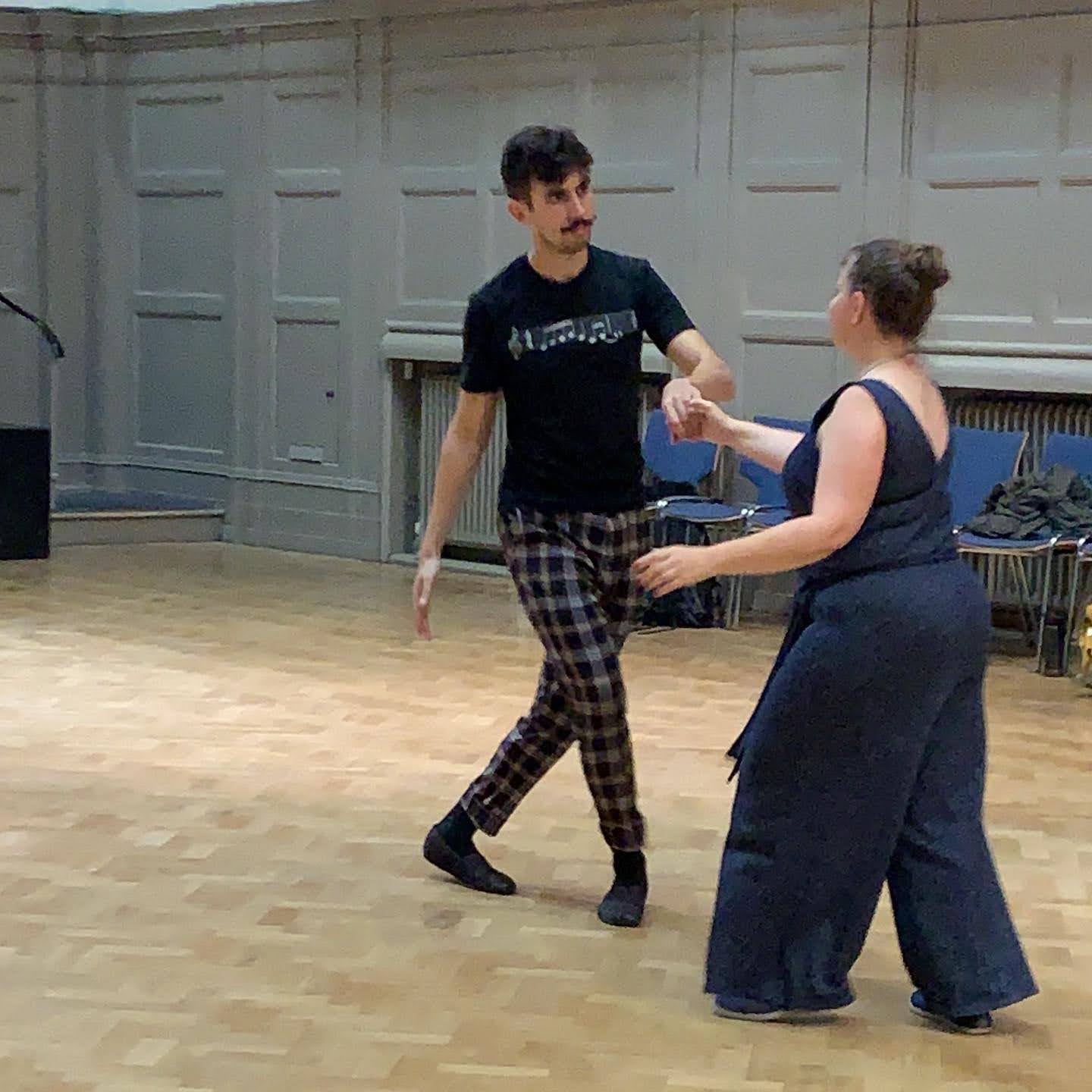
If you’ve ever fancied learning to dance, there’s a good chance you’ve spent more time wondering who you’d go with than looking for a class. Then there’s what to wear, whether everyone else will already be good, and the possibility of spending an hour apologising to someone’s feet. Those are reasonable questions. Having tried Lindy Hop, a little Charleston, and salsa, I can at least answer some of them. I loved it. I also got considerably sweatier than I’d anticipated, which would have been useful information beforehand. Can you turn up without a partner? At the Lindy Hop class I went to, there were people who’d arrived in small groups, people who didn’t know one another, and couples who looked very much as though they were preparing for their wedding dances. We rotated partners throughout, so you weren’t attached to whoever happened to be standing nearest you at the beginning. That made it a very easy way to meet people. You already had something to do together, which removed the need to stand around inventing a conversation. You can check this before you go. Both Swing Patrol and Salsa Tropical , for example, explicitly welcome people without partners and rotate dancers during their classes. Other schools may work differently. If you’re going with someone and want to stay together, ask about that too. What if everyone else can already dance? Look for a class described as absolute beginner , or check that its first level assumes no previous experience. There’s a difference between a session you can join from scratch and arriving halfway through a course. Swing Patrol says its Level 1 classes assume no knowledge. That’s the sort of useful detail to look for, rather than trying to assess your ability against a video of the teachers doing something you can barely follow with your eyes. At salsa, I was one of only a few men, and being reasonably competent certainly didn’t hurt my chances of getting a dance. I wouldn’t promise the same balance at every class, but I found it a brilliant way to meet people. You do need to be willing to learn, though. If you already knew how to do it, there would be rather less point in paying someone to teach you. What should you wear? Something you can move in, and something you won’t mind getting warm in. My Lindy Hop session included a little Charleston, and I can confirm that looking cheerful while moving your feet about can involve quite a lot of effort. Take water. A spare top is also a perfectly sensible thing to put in your bag. Check the school’s advice on shoes before buying anything. Swing Patrol recommends flat shoes or plimsolls for its classes; Salsa Tropical says specialist dance shoes aren’t essential for a first lesson, but advises against trainers and stilettos. The advice varies with the dance and the venue, so “I’ve got some trainers somewhere” isn’t quite the end of that particular bit of planning. Which kind of dancing should you try? I’d start with music you actually enjoy. You’re going to be spending quite a lot of time listening to it. I loved Lindy Hop and the Charleston we tried alongside it. Salsa was brilliant too, particularly once I knew enough of the basics to feel a bit freer. That was the part I really enjoyed: being able to dance rather than having to think quite so hard about how to dance. Watch a short clip of a beginner lesson as well as a polished performance. The performance might make you want to learn; the lesson gives you a better idea of what you’re signing up for. You’re allowed to try more than one style. You’re also allowed to discover that you like the music but would prefer to enjoy it sitting down. Do you have to commit to a whole course? Check what’s available locally. Some schools offer drop-in lessons, others ask you to book a course, and some run introductory workshops. Even the booking arrangements differ: Swing Patrol’s regular weekly classes currently allow drop-ins, while Salsa Tropical asks people to book online. Before choosing, find out whether the session welcomes complete beginners, whether you need a partner, what the total cost is, and what to bring. If access, pace, or physical contact is something you want to discuss, ask the teacher beforehand. Then choose a date you can actually make. “Learn to dance” can sit on a list for years; a beginner class on Tuesday is a much clearer proposition. I’m very glad I went. I enjoyed the dancing, enjoyed meeting people, and loved that feeling when the basics started to make sense. If it’s something you’ve been considering, I’d happily recommend giving a class a go. Possibly with a spare shirt. Add learning to dance to your list and choose a class to try.